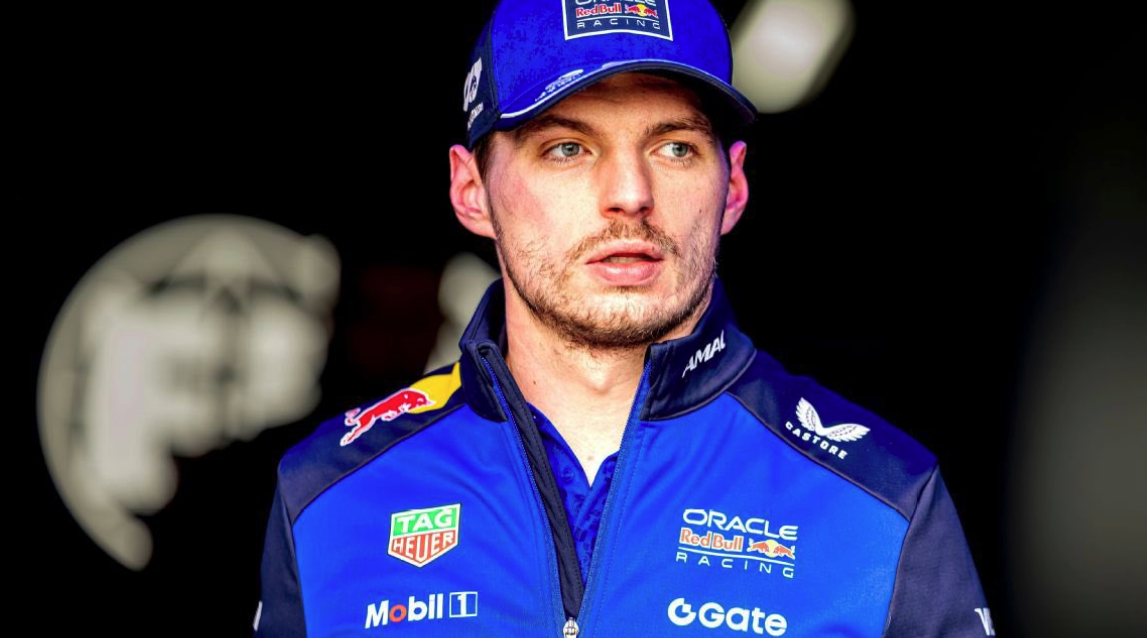








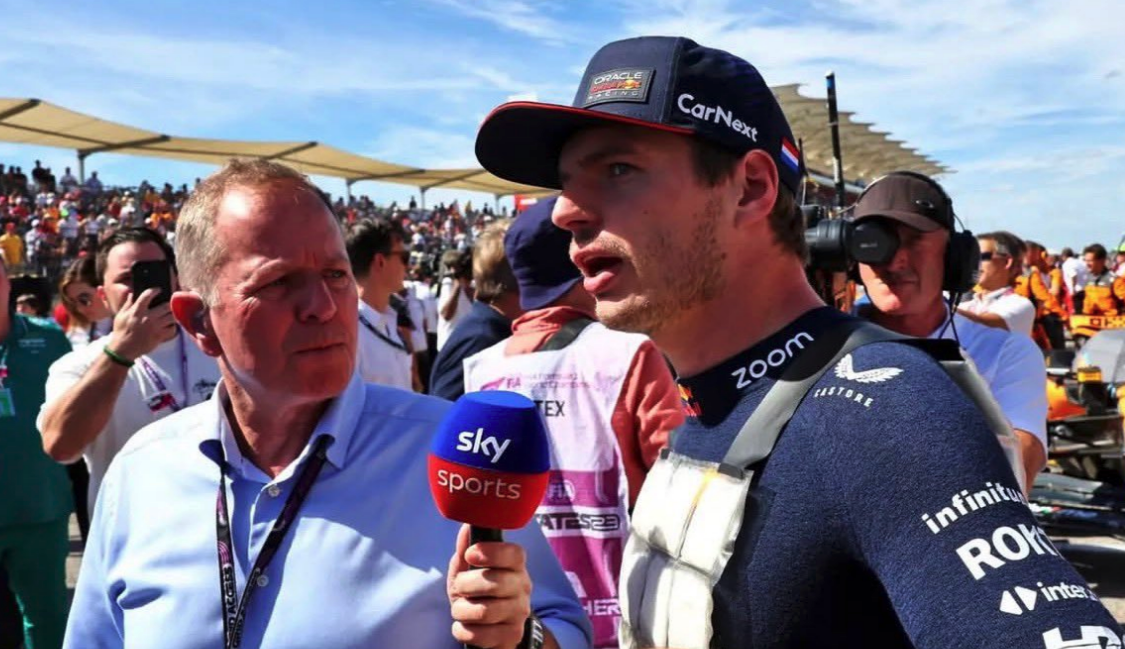
In April, Martin Brundle found Max Verstappen's criticisms repetitive and urged him to either embrace the new Formula 1 or leave it. After Silverstone and Spa, the Sky Sports pundit is now calling for the swift abandonment of the 2026 concept. Perhaps this isn't hypocrisy. It's even more embarrassing for the FIA: even the self-appointed moral arbiters have finally lost patience.
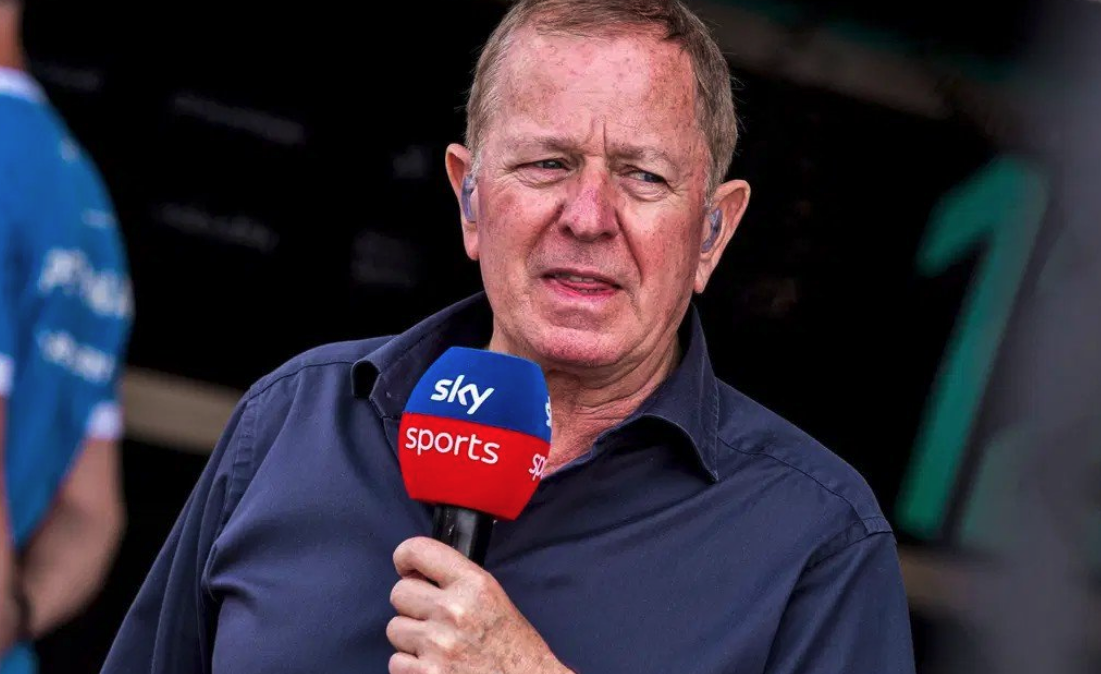
Verstappen had to adapt, Brundle now prefers to change everything
In spring, Max Verstappen annoyed Martin BrundleThe Dutchman regularly criticized the new single-seaters, their constant energy management, and a racing philosophy he considered too far removed from the Formula 1 which he appreciates.
The British consultant then sounded the whistle of the moral referee:
"Either you leave, or you stop talking about it."
According to Brundlethe statements of the four-time champion were beginning to become " a bit tedious. and the pilots simply had to make the best of the existing regulations.
Three months later, Brundle no longer asks the discontented to adapt. It practically asks the Formula 1 to change cars.
The conversion was therefore quick. It was enough to see the 2026 machines take on Silverstone and Spa, two vaguely known circuits, to highlight the speed and courage of the drivers.
During the Belgian Grand Prix, the former driver admitted to having « "A little teary-eyed" He observed that the new cars had deprived Silverstone and then Spa of some of their character. According to him, the fast corners, once spectacular, no longer produce the same sensations, particularly due to the energy management imposed on the drivers.
Brundle He did not simply sigh nostalgically. He felt that the concept should be corrected as early as 2027 and 2028, and then abandoned as quickly as possible once the next generation of engines is defined.
In other words, Verstappen he had to stop criticizing a rule he didn't like. BrundleHe, however, can request its removal when he finally discovers that the pilot may have identified the problem before the commentator.
The hierarchy is subtle: when a world champion complains from his cockpit, he's considered capricious. When a consultant observes the same phenomenon from the television booth, it becomes an essential analysis.
Spa revealed what the simulations had carefully concealed
The 2026 regulations were presented as a technological revolution: a much more powerful battery, almost double the energy recovered during braking, and a near-perfect balance between thermal and electric power. The MGU-K can now deliver up to 350 kW, compared to 120 kW previously.
In a brochure, the whole thing looks modern, sustainable and incredibly clever.
On the long accelerations at Spa, the picture becomes less appealing. Drivers have to monitor their battery deployment, recover energy, and sometimes manage their power instead of simply attacking. The most sophisticated car in the history of the sport can thus appear to lack breath precisely on the circuits where a Formula 1 car should be breathing hardest. Silverstone and Spa haven't damaged the regulations. They've simply stopped protecting them.
On tracks requiring long periods at full load, the compromises become visible: less energy available at the end of the straight, more management and driving sometimes dictated by the state of the battery rather than by the sole limit of grip.
The FIA is already correcting a revolution that started a few months ago.
The most ironic thing is that Brundle does not require intervention on a system that the FIA would still defend it tooth and nail. The body has already approved a rebalancing of the power groups for 2027 and 2028.
The electric component will gradually decrease, while the power of the internal combustion engine and the energy flow from the fuel will increase. The stated objective is to allow for more laps to be completed at full throttle and to reduce energy management, following criticism from several drivers since the start of the season.
The regulations presented as the future of F1 will therefore have required significant corrections even before completing its first year.
A remarkable feat: designing a new era, launching it, finding that it performs poorly on several iconic circuits, and then immediately announcing how it will be modified. In terms of accelerated development, the FIA It definitely remains a benchmark.
Is Brundle really a hypocrite?
The easiest answer would be yes. In April, he asked Verstappen to stop talking. In July, he reiterated some of his arguments and called for a major overhaul of the regulations. But the real problem goes beyond personal contradiction.
Brundle has every right to change their mind after observing the cars in real-world conditions. Admitting that a concept doesn't work is even preferable to continuing to defend it simply to save face.
His about-face, however, shows how quickly the criticisms made by the pilots were dismissed. Verstappen He wasn't simply complaining because he didn't like his single-seater. He was describing a racing philosophy whose limitations are now visible even in the television broadcast.
When Brundle he asked him to "to make do"F1 had not yet fully tackled Silverstone and Spa. Now that the two circuits have exposed the system's weaknesses, the consultant no longer wants the drivers to adapt: he wants the regulations to do it.
The 2026 regulations have met their match.
Martin Brundle He may not be a hypocrite after all. He has become the unwitting symbol of a regulation capable of transforming its most critical observers into new protesters. Max Verstappen had been asked to choose between remaining silent and leaving. Brundle has just discovered a third possibility: criticizing exactly the same thing a few months later, but with a microphone Sky Sports by hand.
La FIA He can always take comfort in the fact that its 2026 regulations at least create a spectacle. Not necessarily on the track, but in the shifts in opinion they provoke around it.