







Pirelli proposed reducing tire pressures to make the cars less slippery and the tires more predictable. The teams refused to change the rules mid-season. As a result, technical considerations prevailed over driver comfort, condemning them to continue their tire-fueled free-for-all, likely until 2027.
Pirelli: Teams keep the balloon tires…and let the drivers bounce
The drivers were demanding more grip. Pirelli had devised a solution. The FIA deemed it feasible. All that remained was to obtain the teams' agreement.
Obviously, that's where things got complicated.
Formula 1 teams have rejected a regulatory change that would have allowed Pirelli to lower the minimum pressures imposed since the start of the 2026 season. These high pressures make the cars less precise, promote wheel lock-ups and complicate both the heating and the management of the tires.
Such is the governance of F1: everyone recognizes the problem, a solution exists, but everyone starts by calculating whether their neighbor could benefit more.
Narrower tires, but inflated like mattresses
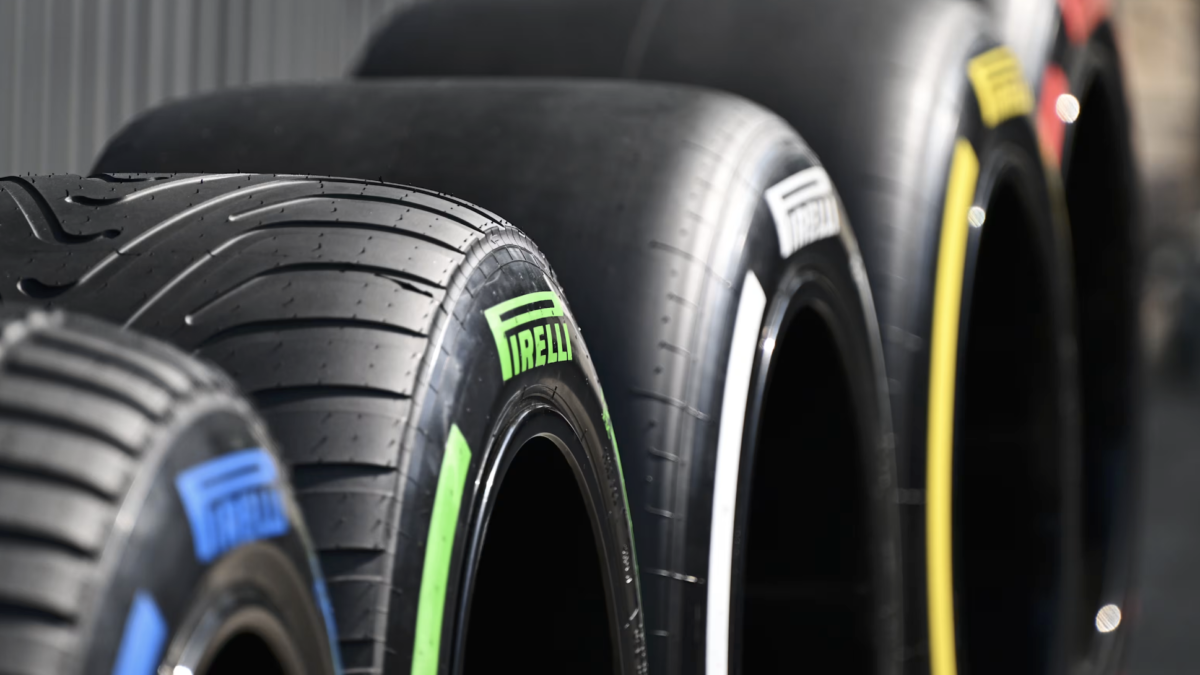
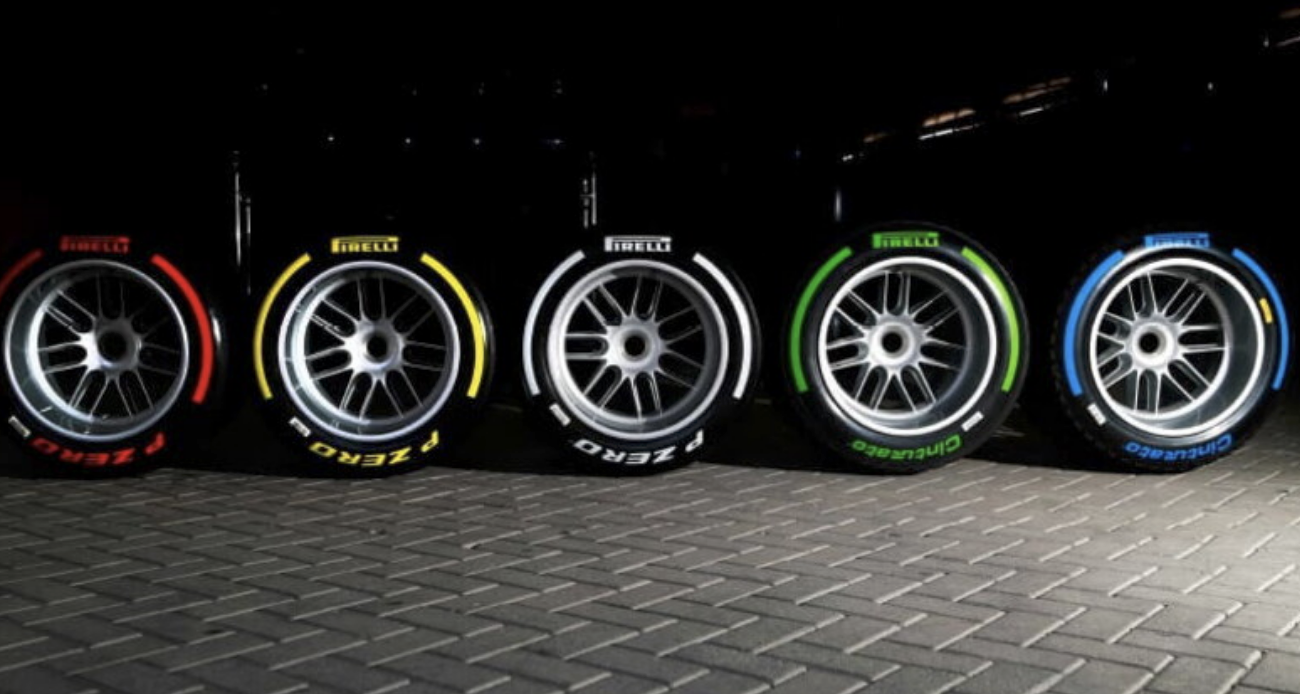
The new generation of tires remains mounted on 18-inch rims, but is smaller and narrower. The tread width has been reduced by 25 millimeters at the front and 30 millimeters at the rear, while the overall diameter has also been decreased. This was primarily aimed at supporting the weight reduction and new aerodynamic features of the 2026 Formula 1 cars.
On paper, these tires should have seemed more compact. In the cockpit, however, some drivers feel like they're driving on balloons.
In Barcelona, Oliver Bearman had summarized the situation without going through Haas' communications department:
" We have so much air in these tires... it's an absolute nightmare."
The Briton also complained of severe overheating, significant tire degradation, and a particularly detrimental lack of grip given the power of the new cars. Lewis Hamilton , for his part, described it as one of the lowest grip levels he had ever experienced at the Catalan circuit.
Formula 1 wanted spectacular cars. It sometimes got cars that arrived at braking with the delicacy of a supermarket trolley going downhill.
Active aerodynamics, the true cause of inflation
Pirelli didn't increase tire pressures just to upset the drivers. This precaution is directly related to the active aerodynamics introduced in 2026.
The cars use a low-drag mode on the straights and a configuration that produces more downforce in the corners. The problem arises when a system malfunctions and gets stuck in a high-downforce position. At high speeds, the tires can then be subjected to much greater vertical loads than intended.
Pirelli must therefore set its pressures according to the worst-case scenario: a single-seater traveling in a straight line with its aerodynamic elements still in cornering configuration.
This type of incident remains rare, but it is enough to force the twenty drivers to use tire pressures three to four PSI higher than those recommended for 2025 on certain circuits. In terms of safety, the Italian supplier naturally prefers to anticipate the unlikely accident rather than discover the limits of a tire at speeds exceeding 300 km/h.
The solution: repair or return to the pits
To reduce pressures, Pirelli had proposed a relatively simple rule.
When a car remained stuck in high downforce mode for five laps, it received a black flag with an orange disc. This flag forces a driver to return to the pits when their car has a potentially dangerous mechanical problem. If the fault could not be repaired, retirement became mandatory.
By preventing a malfunctioning car from continuing its race for an extended period, Pirelli would no longer have had to adjust tire pressures for this extreme scenario. According to its chief engineer, Simone Berra, the reduction could have been between one and three PSI, with a particularly significant margin on the rear tires.
The measure could even have come into effect as early as the Dutch Grand Prix, the first race following the summer break.
The drivers would have regained more grip. The tires would have looked less like beach gear. But the teams preferred to keep the current regulations.
Why improve tires when it could change the hierarchy?
The change required a supermajority among the teams. This was not obtained.
Some teams were reluctant to change the tire pressures mid-season, fearing that such a drastic change would alter the relative performance of the cars. A car particularly comfortable with the current pressures could have lost its advantage, while a struggling rival might suddenly regain pace.
Others objected to an active aerodynamic failure automatically forcing a stop or retirement. They preferred to retain the option of continuing the race with a faulty system, defending a result, and potentially scoring some points.
The reasoning is understandable from a sporting perspective. It remains quite amusing: to preserve the hypothetical race of a car suffering from a rare breakdown, twenty drivers will continue to suffer from less pleasant tires during all the Grand Prix.
Comfort and quality of handling were therefore placed in the "acceptable collateral damage" column.
The drivers are protesting, the teams are calculating.
Simone Berra was not surprised by the result of the vote:
" The majority decided to maintain high pressure. For us, that's fine. "
Pirelli will therefore apply the most cautious approach and continue to consider the worst-case scenario. Without regulatory changes, the high pressures are expected to remain in effect until the end of the 2026 season and likely for much of 2027.
This decision perfectly illustrates the ongoing contradiction in Formula 1. Drivers are regularly consulted on the spectacle, safety, and quality of the cars. But when their input threatens to shift a few tenths of a second from one team to another, their voice suddenly becomes far less urgent.
The FIA had already modified several elements of the 2026 regulations during the year following feedback from the paddock, notably the temperatures of the tire warmers for intermediate tires and the electrical power available in certain low-grip conditions. Adapting the rules was therefore not impossible in principle.
This time, competitive interests were simply more powerful than collective discontent.
Pirelli remains, and so do the balls.
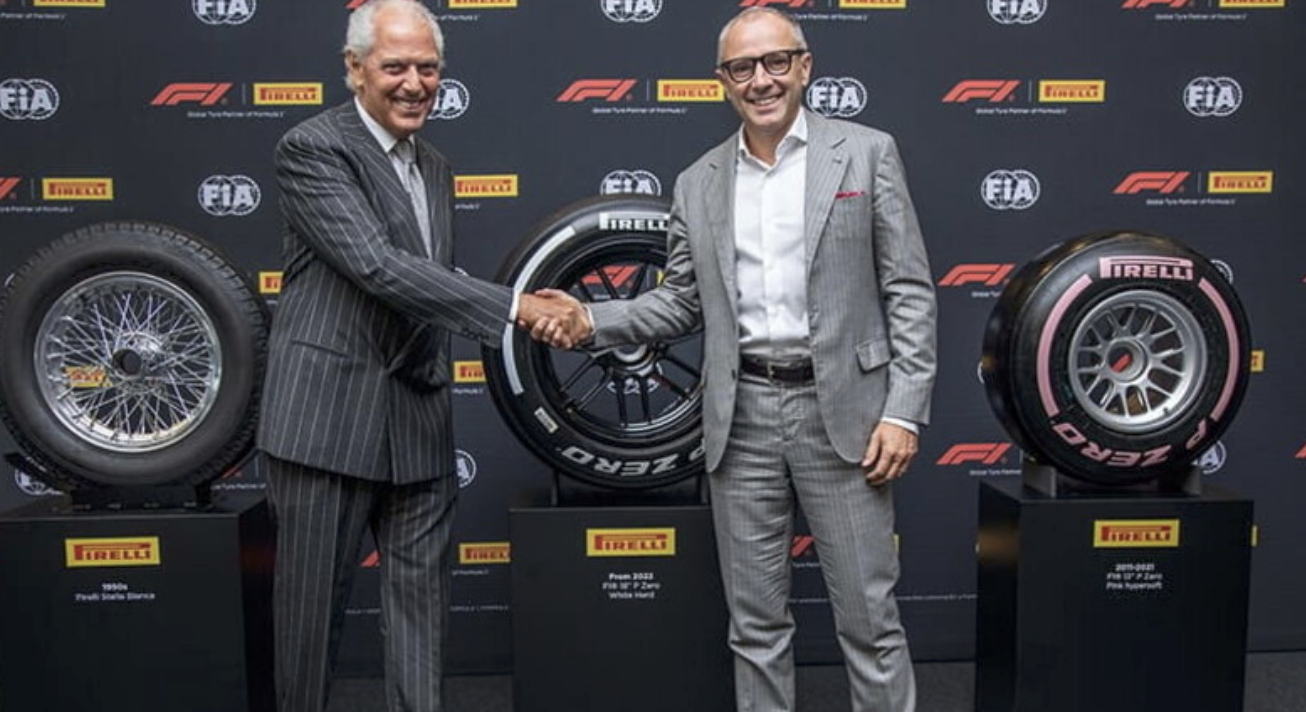
The controversy does not jeopardize Pirelli 's place in the championship. The Italian manufacturer's contract, the sole supplier of F1 tires since 2011, has just been extended until the end of the 2028 season.
The problem doesn't just come from the tire. Pirelli has to design a compound that is high-performing enough to provide a spectacle, degradable enough to create strategies, and resistant enough to survive the potential failure of an aerodynamic device designed by someone else.
A mission of childlike simplicity.
The teams have finally made their choice: it is better to maintain a known situation, even an imperfect one, than to risk reshuffling the technical cards in the middle of the championship.
Drivers will therefore continue to brake cautiously, monitor overheating, and talk about "balloons." Engineers will continue to optimize these same balloons. And Formula 1 will be able to assert that all parties have been consulted.
They were. Some simply had more voices than others.