




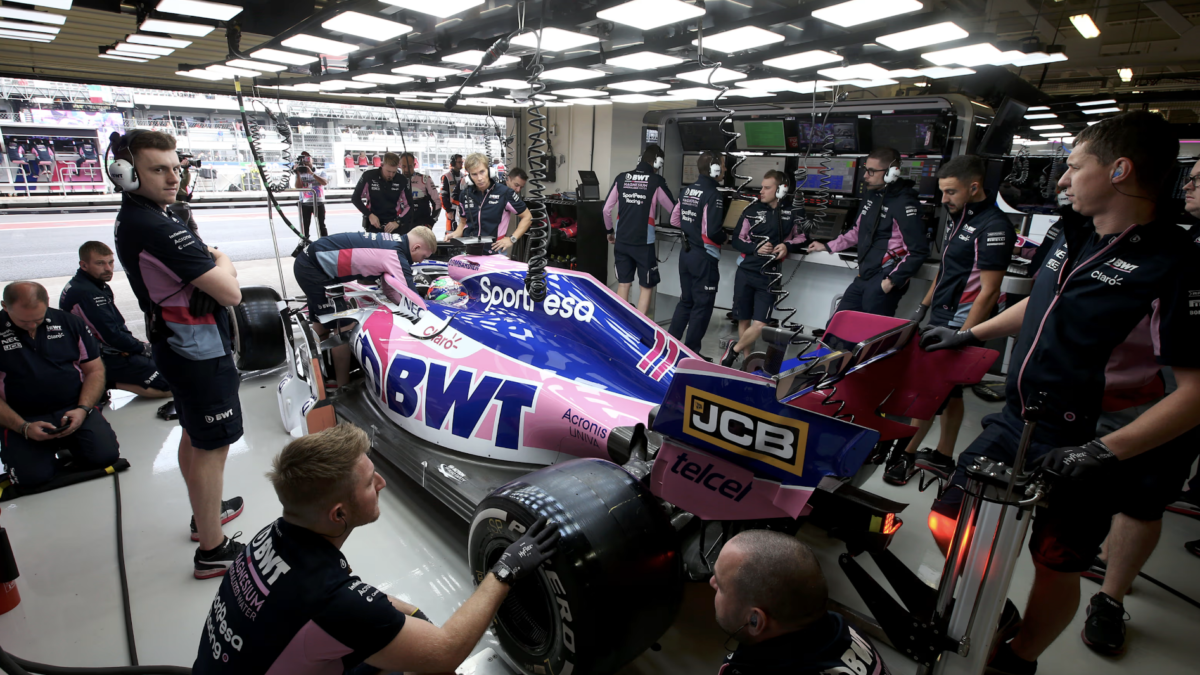
Jenson Button isn't just calling for the return of a roaring engine. In Singapore, the 2009 world champion also issued a warning about the calendar: 24 Grands Prix is already enough. Beyond that, he believes, the drivers can still keep up—but the mechanics and teams bear the brunt of the costs far from the spotlight.

Button points to the exhaustion of the teams.
When questioned at the Milken Institute Asia Summit, held in Singapore before the Grand Prix, Button bluntly summarized his concern:
" 24 races around the world is really very difficult. I wouldn't want to see any more."
And he made a comparison that is likely to ruffle some feathers in the paddock:
"For the pilots, it's acceptable. "
After arrival, he explains, they can take a private jet and go home. For the rest of the team, the evening is just beginning.
The pilots leave, the mechanics pack up
The champion is focusing on the invisible work that accompanies each race. After the checkered flag, the garage has to be dismantled, the equipment packed, its transport prepared, and the workshop cleaned up for the next stage. " The dismantling is insane ," he sums up. Then the mechanics and other team members don't just jet off for a well-deserved vacation: they also return to the factory to resume work.
The contrast with the drivers is deliberately striking. Button doesn't claim that the latter have no constraints; he emphasizes that the racing calendar doesn't weigh on everyone in the same way. The drivers also live according to the rhythm of travel and media obligations, but they don't dismantle their garages until the early hours before immediately starting the technical preparation for the next race.
As the season drags on, fatigue takes its toll on professions demanding precision and vigilance: mechanics work on the cars, engineers analyze data, and logistics teams move a considerable amount of equipment. Button also points out the human cost of this pace: weeks away from family accumulate. His request is therefore clear: not to exceed the 24 Grands Prix already scheduled. Sprint weekends add even more sessions and races to this program; the calendar limit alone doesn't tell the whole story of the workload.
He likes thermal engineering, not current complexity
Button also spoke about engines. He considers current power units too complex and believes that fans should be able to understand the technology that shapes racing. He prefers combustion engines that run on sustainable fuel, a formula that, in his view, would preserve the sound and feel of a race car.
The distinction is important: F1 hasn't eliminated the internal combustion engine. Since 2026, the cars have retained a V6 combustion engine, but it operates within a hybrid architecture where power is distributed roughly equally between the internal combustion engine and the electric motor. The cars also use a sustainable fuel. Button isn't proposing detailed regulations or a specific return to the V8 engines of his era; he's expressing a preference for a less complex F1, more focused on combustion.
He doesn't reject technological progress outright. He acknowledges that manufacturers are exploring different avenues for road cars—electric, hybrid, hydrogen, or combustion—and welcomes the use of sustainable fuels in historic racing. His main criticism concerns the lack of clarity and the increasing complexity within the sport. Innovation can benefit F1; however, it mustn't become a language reserved for engineers.
A success that must not turn into a race against the calendar
Button 's comments come as F1's growing popularity attracts new promoters and fuels discussions about expanding the championship. But growth doesn't necessarily mean adding more dates. Each new Grand Prix brings revenue and visibility; it also adds another step for an organization that has to move staff, cars, and equipment around the world.
The champion's message can be summed up in two demands: preserve a real place for the internal combustion engine, and halt the expansion of the calendar to 24 races. The debate is heated because F1 sells both its technological boldness and its status as a world championship. But behind the engines and the destinations, there are people who dismantle, transport, and rebuild the spectacle at each stage.
Can F1 continue to grow without constantly demanding more from those who run it? And what if the next step forward, for once, was knowing when to stop?
🧠 Jenson Button: "Whoever F1 has on combustion engines and no more than 24 cars"
👉 “Para los pilotos, está bien. Ending the road, you have a private jet and you go to your house”.
👉 “Before the mechanics and all of them as soon as they work with the team, they… pic.twitter.com/nYaKvVEClv
— Fórmula Directa (@FormulaDirecta) October 9, 2026