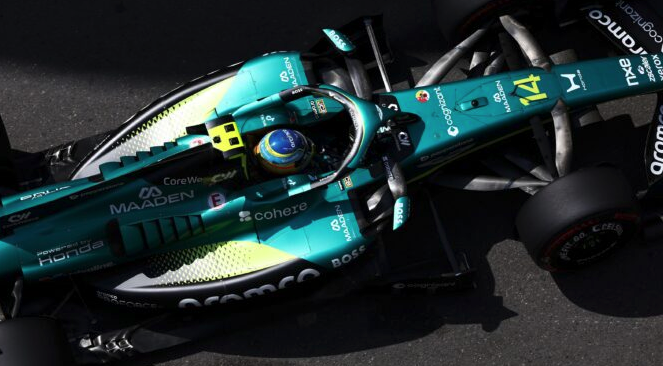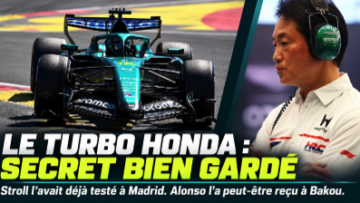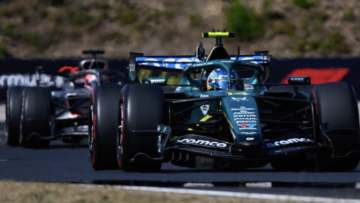





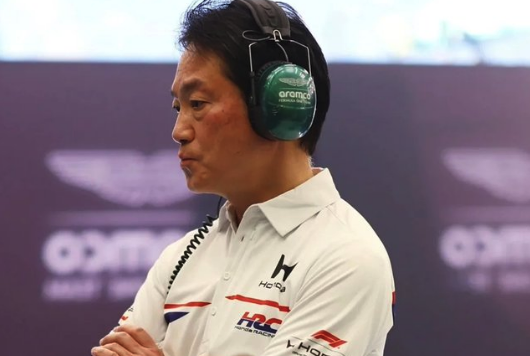
Honda is no longer hiding behind vibrations, adjustments, or progress curves. In an interview with Motorsport.com Japan , Koji Watanabe, president of Honda Racing Corporation (HRC), admits that the engine manufacturer has fallen behind in the development of its power unit for Aston Martin. His admission is simple: the team and Honda have "lost almost two years." A harsh statement, considering the partnership was supposed to provide Aston Martin with a factory engine and the resources to aim higher.
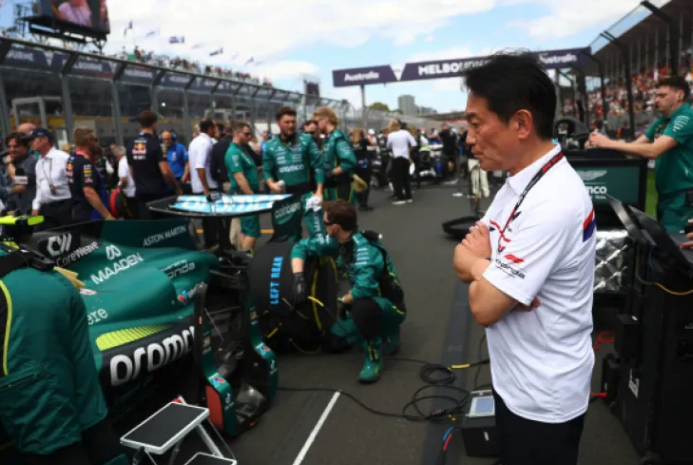
Honda acknowledges its delay
Watanabe doesn't claim that Formula 1 development has stopped at Honda . Research continued, he explains, but preparing a complete program for the new 2026 regulations took longer than expected. Honda announced its return to F1 in 2023, while setting up the necessary technical organization was delayed. "The decision to return a year later than the others " and the time spent structuring the program, he says, resulted in a loss of almost two seasons of development.
This delay wasn't overcome by a miraculous sprint at the factory. Honda initially focused its resources on the battery and electric motor, two essential elements of the new regulations, before pushing further development of the internal combustion engine. Watanabe believes the objectives have been met on the electric side, but acknowledges that this choice delayed work on the combustion engine. The initial organization also lacked personnel: resources had to be mobilized, and then they had to contend with budget caps and time limits for bench testing. F1 has truly invented a discipline where you can lose time even before you reach the track, only to discover that it's difficult to recover it due to the regulations.
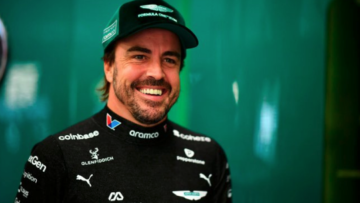
The result, however, is now undeniably clear. When questioned about the Honda engine's performance compared to its rivals, Watanabe acknowledged that the FIA data used within the ADUO mechanism indicated that Honda was "clearly below the other manufacturers' engines." He clarified that he didn't know the exact figures for the competitors, but the observation left little room for doubt. Alonso and Stroll 's complaints about the lack of power were therefore not simply a matter of cockpit perception.
Specification 2 was intended to deliver a progressive power increase. Honda achieved its objective, but the modifications to the combustion process degraded the engine's performance. Watanabe explains that the ride now feels similar to the early days of the first specification. The target figure was therefore met, but the rider didn't necessarily receive an easier engine to manage. " It's still lacking power ," admits the HRC boss . The sentence is short; for Aston Martin, it sums up a far too long season.
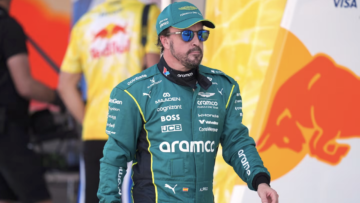
The first few months had already raised the alarm. During pre-season testing in Bahrain, a battery issue limited Aston Martin 's running time , while a shortage of parts forced Honda to reduce its program. Reuters reported at the time that the team had accumulated significantly fewer kilometers than its rivals. In China, engine vibrations forced Fernando Alonso to retire after explaining that he could barely feel his hands and feet. It was no longer just a question of lap times: the driver described a car that was physically difficult to handle.
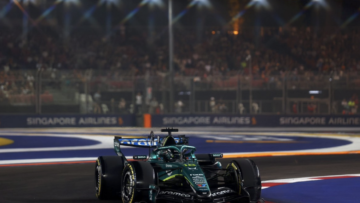
Since then, work on the power unit and its behavior has continued, but the announced progress hasn't erased the difficulties. In Singapore, Alonso finished well outside the points after a weekend marked by handling and energy management issues. The engine alone doesn't necessarily explain every poor performance: the chassis, setup, and integration between the two partners also play a role. But when the HRC president acknowledges a power deficit, Honda can no longer pretend that the AMR26 is suffering solely from a development problem.
Watanabe insists, however, that the partnership is not broken. " The objective has been the same from the beginning ," he affirms, before explaining that Honda and Aston Martin need to strengthen their collaboration. He even believes that the current difficulties are testing this relationship and could make it stronger. This is a statement of intent, not a guarantee of results. Between the ambitions declared at the launch and the current situation, the two partners have already learned that sharing a goal is not always enough to share the right pace.
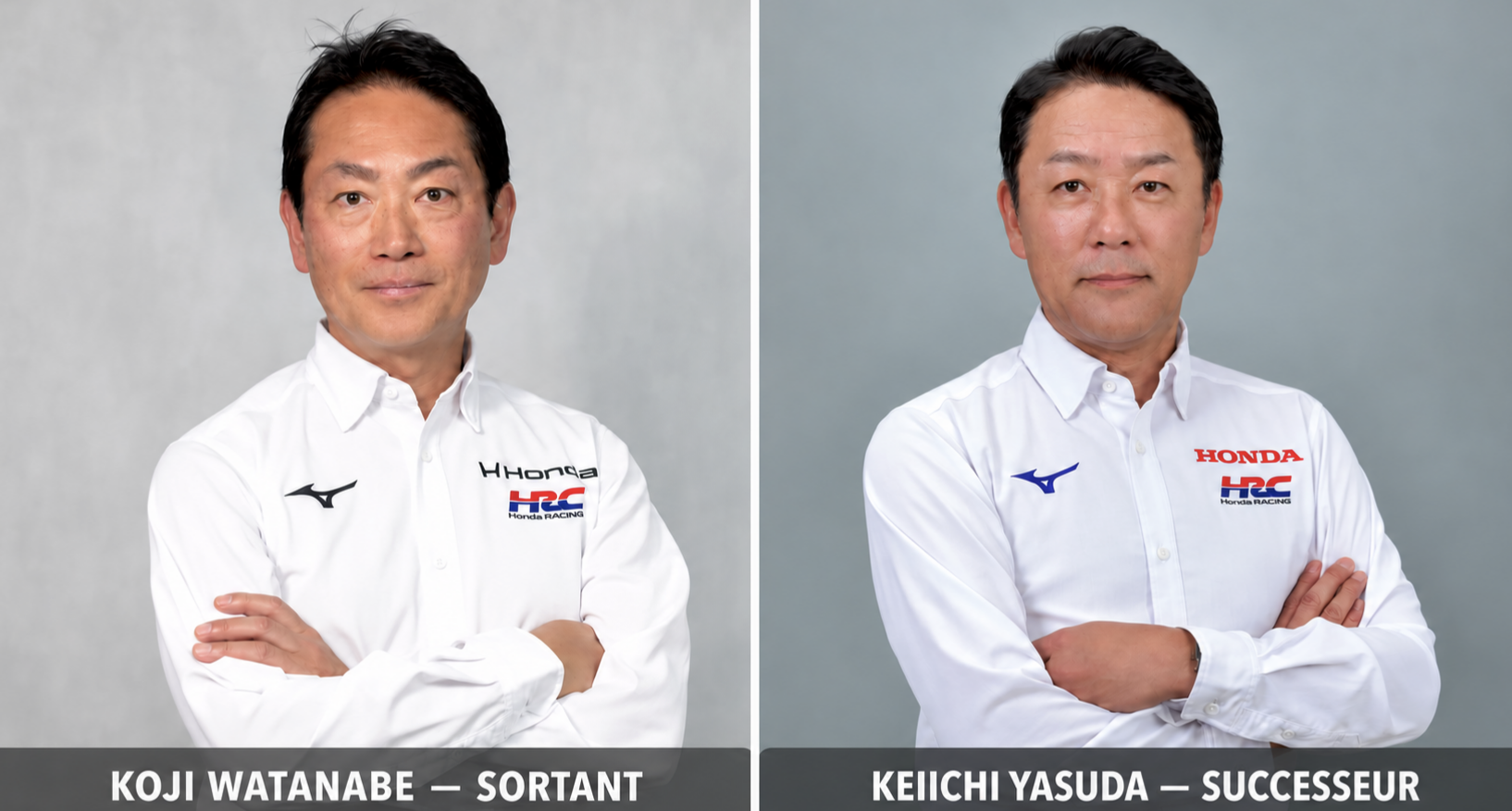
The interview also comes at a significant time for Honda : the manufacturer has announced that Watanabe will retire on January 1, 2027, and that Keiichi Yasuda will succeed him as head of HRC . Honda presents this change as a periodic rotation of its leadership, and not as a consequence of difficulties in F1. Watanabe assures that he will continue his efforts until the end of his tenure. The next boss will therefore inherit a clearly defined task: increasing power, improving engine performance, and ensuring everything works in conjunction with Aston Martin.
Admitting to "almost two years lost" doesn't solve any problems, but it finally clarifies the diagnosis. Honda acknowledges the delay, the limitations of its engine, and the choices that pushed back part of the development. Now, the challenge is to translate this self-awareness into visible progress. Can Aston Martin still leverage this factory partnership, or will it have to wait for the next generation for the promises to finally catch up with the schedule?