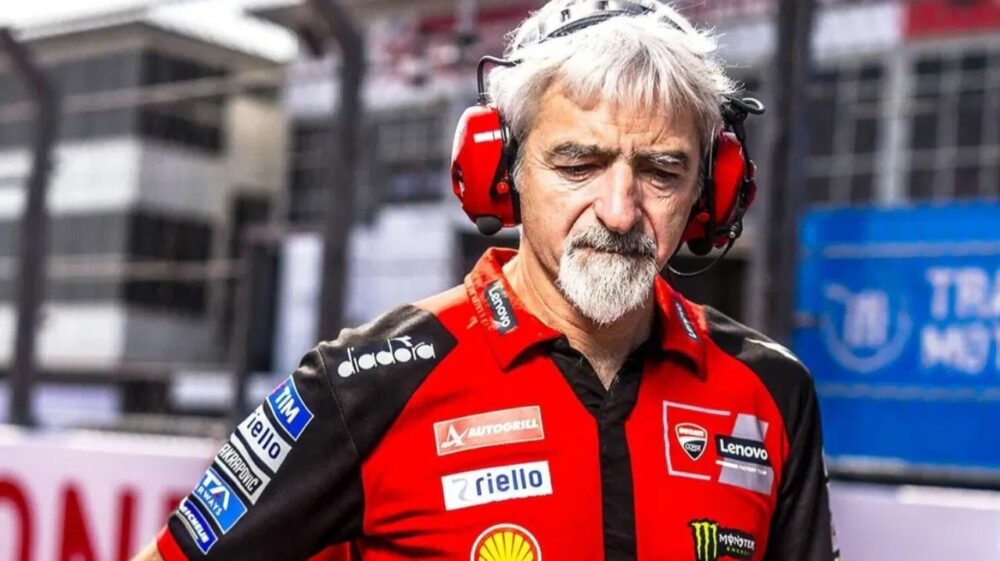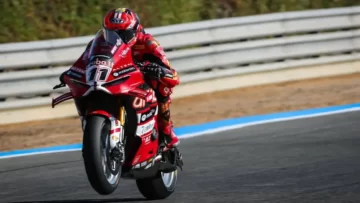





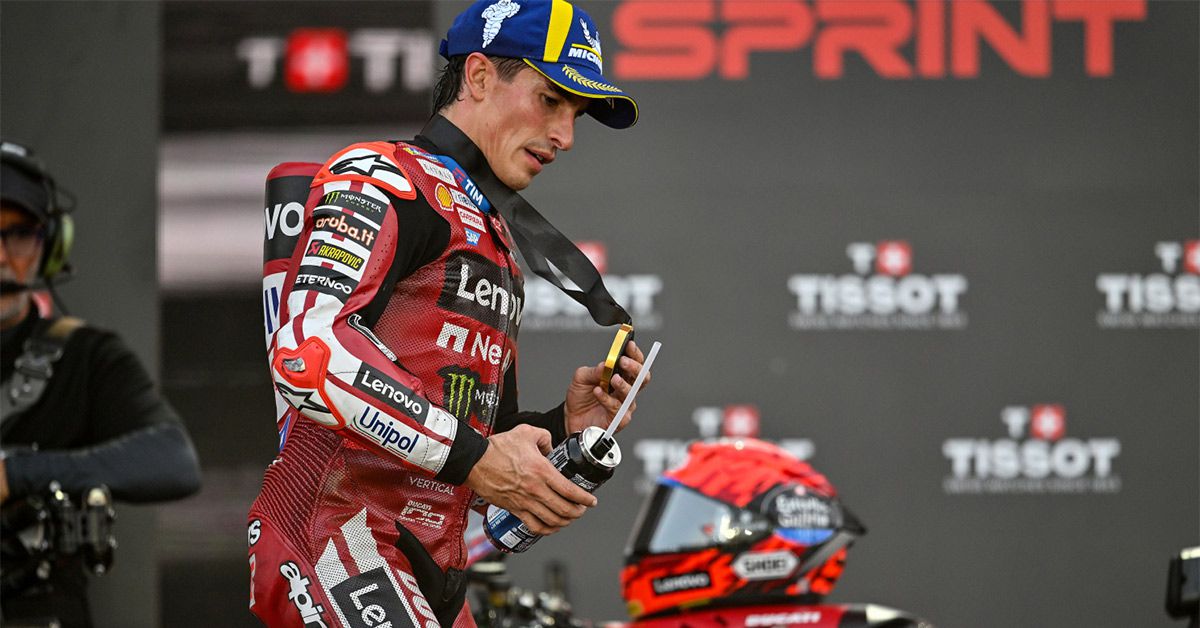
Despite finishing only sixth in the Indonesian Grand Prix on Sunday at Mandalika, Marc Marquez gave Ducati serious cause for celebration. On a track that Gigi Dall'Igna considered one of the most unfavorable to the Desmosedici, the Spaniard won the Sprint and limited the damage in the championship. With five Grands Prix remaining, he is only two points behind Jorge Martin. For the technical director of Borgo Panigale, the main point lies elsewhere: Aprilia has not fully exploited its advantage.
There are weekends when a sixth-place finish is almost like a victory. At Mandalika, Ducati lacked both the speed and the technical mastery of Aprilia . The four RS-GP bikes, in fact, monopolized the top spots on Sunday.
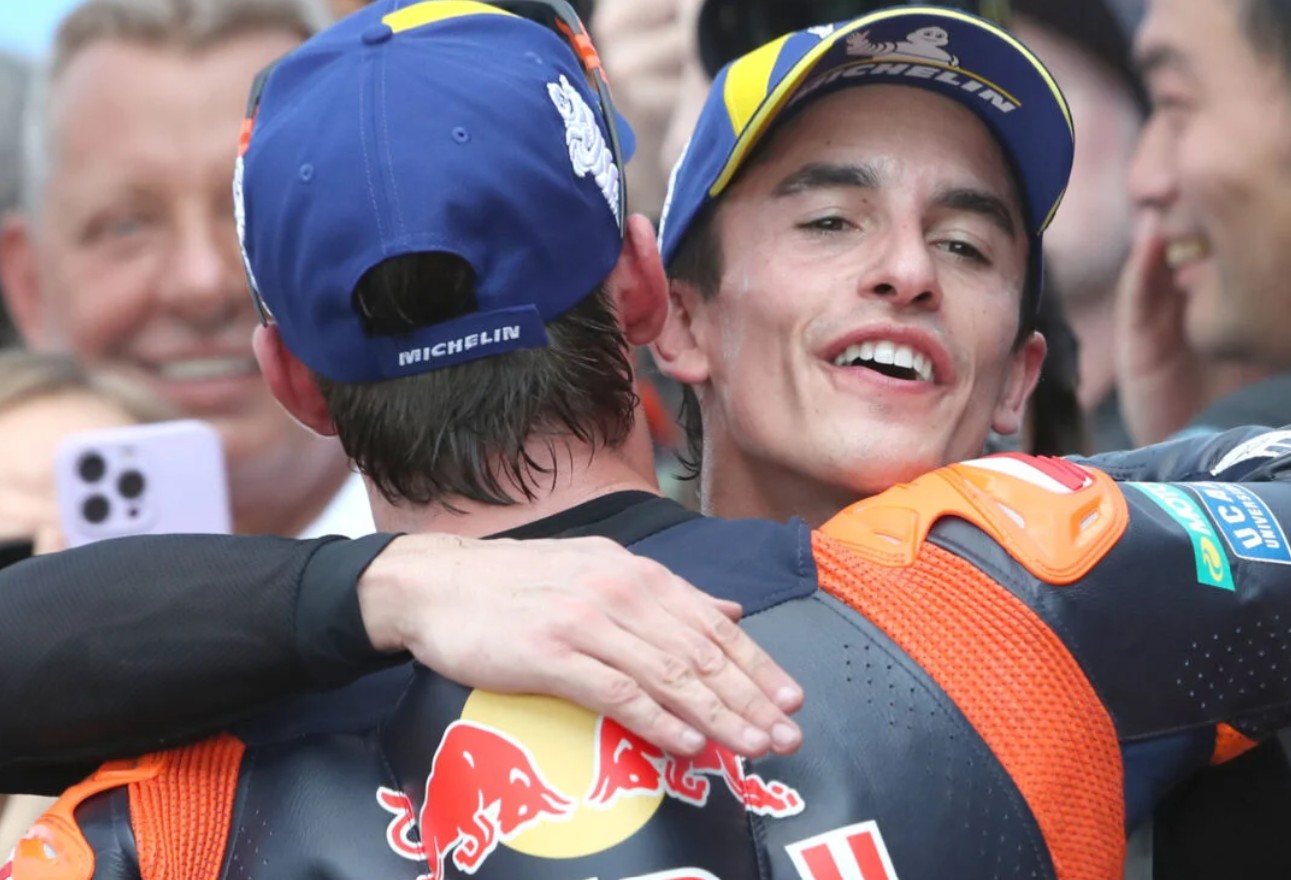
But Marc Marquez left Indonesia with a Sprint victory, a sixth-place finish in the Grand Prix, and only two points behind Jorge Martin . For Gigi Dall'Igna , this result is more of a strategic success than a sporting defeat.
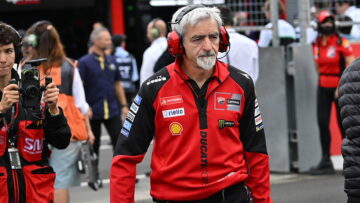
Dall'Igna: " Perhaps even the worst circuit for us »
The general manager of Ducati Corse isn't trying to hide the difficulties encountered. " This weekend clearly wasn't easy for us, but in my opinion, it was positive . " Dall'Igna explains that Ducati knew Mandalika was particularly unfavorable to their machine. " We limited the damage thanks to our skill and experience on a circuit we knew would be difficult, perhaps even the worst for us ."
Aprilia 's dominance on Sunday proved him right. But the Noale-based manufacturer failed to convert this superiority into a decisive advantage in the championship. The collision between Raul Fernandez and Marco Bezzecchi in the sprint, followed by Martin 's front tire pressure problems , opened an opportunity that Marquez was quick to exploit.
Marquez, the art of winning when he can't dominate
Dall'Igna particularly emphasized his rider's race intelligence. " Marc really showed a lot of genius this weekend. " The Italian praised his ability to seize an unexpected victory on Saturday, then manage the limits of his Ducati on Sunday.
One detail makes this sixth place even more significant: Marquez had never finished a Sunday Grand Prix at Mandalika. This time, he crossed the finish line. And in such a tight global competition, finishing a difficult race can carry more weight than a desperate attempt at a podium finish. Ducati 's reasoning is simple: when victory is out of reach, you have to prevent the rival from pulling away.

A technical weakness for Ducati that Dall'Igna does not deny
This satisfaction, however, should not mask the underlying problem. " Our pace wasn't up to that of the best ," admits Dall'Igna . The results of the other Ducati riders confirm that Marquez wasn't experiencing an isolated difficulty.
The Desmosedici lacked overall competitiveness against the RS-GP. The technical director therefore emphasized the need to maintain " concentration, clarity " and " a good dose of humility ".
A telling statement: Ducati doesn't claim to have found the solution in Mandalika. It simply believes it has weathered the storm without major consequences for its ambitions.
The trap would be to believe the hardest part is over.
“ A major obstacle is now behind us, without any damage. In fact, we even feel stronger and better prepared ,” says Dall'Igna . The optimism is understandable.
But considering Mandalika the worst circuit doesn't guarantee that Ducati will dominate the remaining five races. Aprilia has just demonstrated impressive collective superiority, while Martin retains his championship lead. Bezzecchi , 46 points behind, is also still mathematically in contention.
Dall'Igna therefore preferred to conclude by focusing on the competition itself: " May the best team win, with the fair play and equity that our beautiful sport deserves . " In Mandalika, Aprilia won the speed battle. Ducati , however, prevented this victory from becoming a decisive advantage in the title race.
And for Dall'Igna , emerging almost unscathed from a dreaded circuit is perhaps the best possible result before the final sprint of the MotoGP championship.