




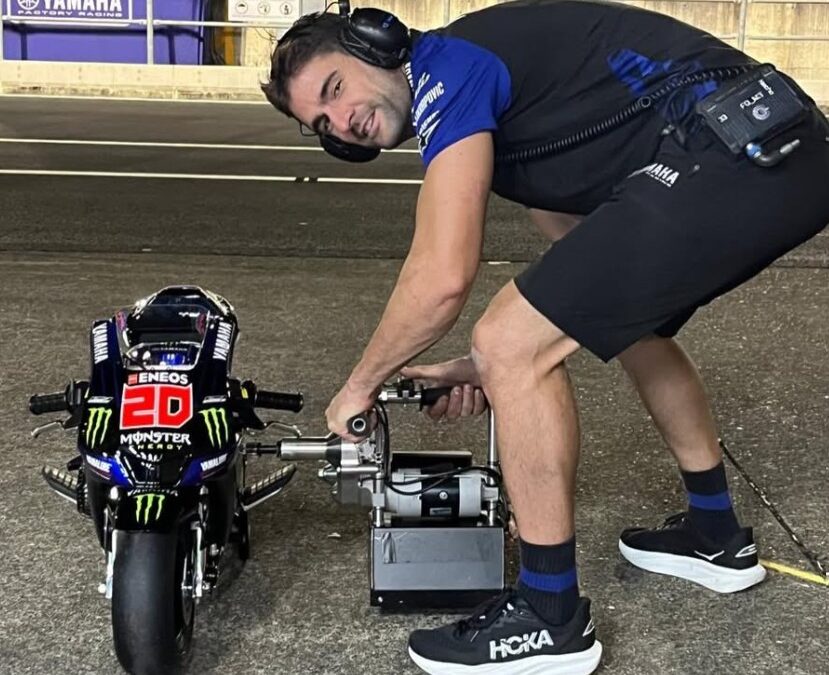
What if the best protection against injury in MotoGP was to ride a bike incapable of winning? The statement sounds harsh, but it sums up the hypothesis put forward by Neil Hodgson. With the 2026 season already plagued by injured riders, Fabio Quartararo is among the few survivors. A fact that raises questions for the former Superbike world champion: did the Yamaha and KTM riders simply realize that there was no point in risking their physical well-being for a fourteenth place?
Hodgson: " I'm not going to kill myself over this. »
On the Gas It Out podcast , Neil Hodgson highlighted a revealing statistic. While injuries decimated the field, several Yamaha and KTM riders went through the season without any major physical problems.
For the Briton, this distribution could reflect a difference in approach. " I think you reach a point where you know your bike isn't performing well enough... " Then comes the explanation, much more provocative: " Deep down, you know, even if you don't admit it: I'm not going to kill myself over this ."
And Hodgson clarifies his reasoning: " Because a 14th or 15th place doesn't change anything... it won't change anything ." In other words, when the machine no longer allows aiming for a significant result, the risk-reward ratio changes.
This is not necessarily a conscious decision. But the pilot might naturally hesitate more before attempting a dangerous maneuver.
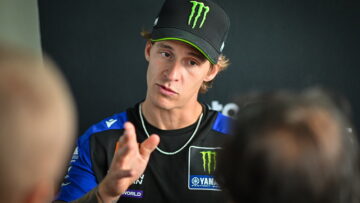
Quartararo: a disastrous season, but without major injury
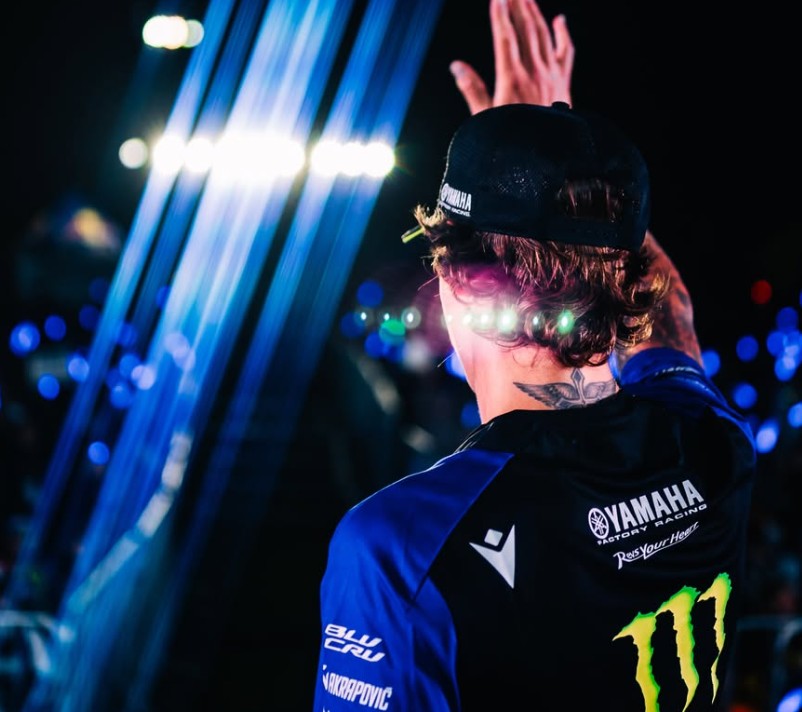
The case of Fabio Quartararo illustrates this theory. For his last season at Yamaha before his announced arrival at Honda In 2027, the French experienced a particularly frustrating campaign.
Only six top-10 finishes, 79 points scored, and no wins since 2022. The new Yamaha V4 hasn't delivered the expected performance leap. Quartararo even believes his manufacturer is several years behind Ducati and Aprilia.
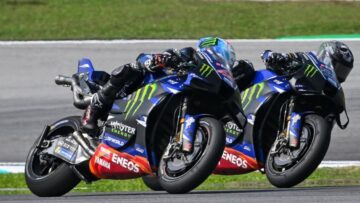
Yet, despite this string of disappointments, the 2021 world champion has been relatively spared from physical setbacks. The same is true for Alex Rins and Jack Miller . Only Toprak Razgatlioglu suffered a significant shoulder injury in Indonesia, jeopardizing the end of his season.
Yamaha is going through a sporting crisis, but its riders seem less exposed to the physical consequences of crashes. It remains to be seen whether there is actually a causal link.
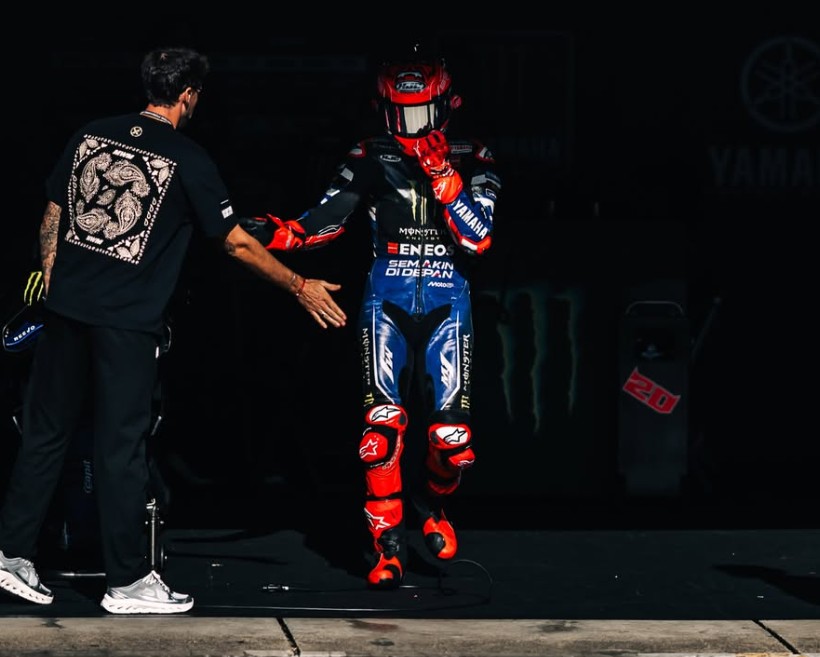
KTM: Acosta, Binder and Bastianini in the same situation as Quartararo
At KTM , Hodgson is seeing a similar trend. Pedro Acosta , Brad Binder , and Enea Bastianini have also avoided the major injuries mentioned in this report. However, Maverick Viñales has experienced significant physical difficulties that cast doubt on his participation in the final rounds.
For Hodgson, the concentration of relatively unscathed drivers at two struggling manufacturers might not be a coincidence. But his hypothesis requires a crucial qualification. The absence of injury does not mean that a driver lacks commitment.
The frequency and severity of crashes, the race circumstances, and an element of chance all significantly influence the physical consequences. It would therefore be wrong to conclude that Quartararo or Acosta are deliberately riding below their capabilities.
The real danger: when a rider no longer believes in his motorcycle
The significance of Hodgson's reflection goes beyond medical statistics. It raises a fundamental question: what becomes of a pilot's motivation when he knows that taking more risks will change almost nothing in the outcome?
A champion might be willing to push their limits for a podium finish or a victory. But to finish at the back of the pack? The answer becomes less clear. And for Yamaha , this would be a particularly worrying situation if such resignation were to take hold.
So, what do we remember?
- Hodgson suspects a different approach to risk management among the Yamaha and KTM riders.
- Quartararo finishes his last Yamaha season without major injury, despite disappointing performances.
- This theory remains a hypothesis, and not proof of a lack of commitment.
Quartararo has spent years demanding a Yamaha capable of winning. If Hodgson is right, the problem now runs deeper: a bike that no longer inspires riders to take risks.