








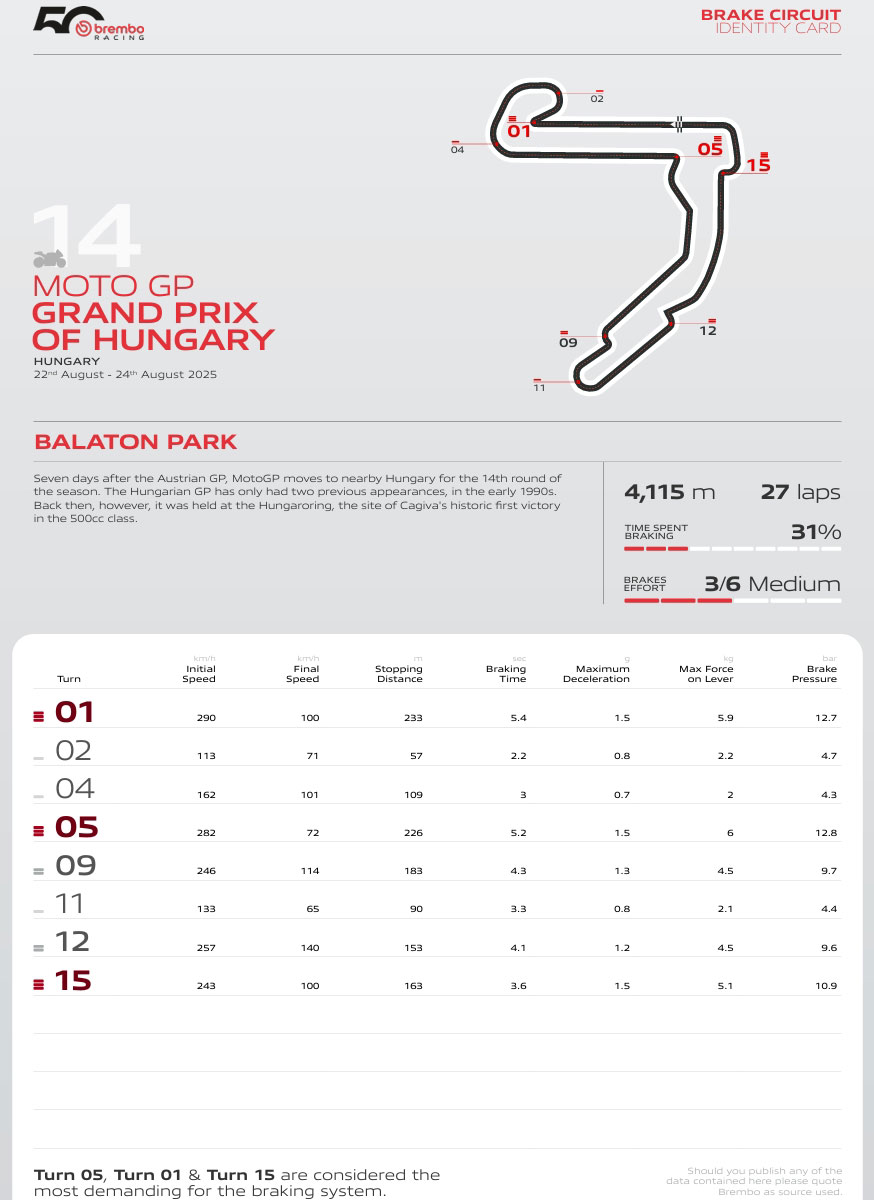
Seven days after the Austrian GP, the MotoGP and Brembo travel to neighboring Hungary for the 14th round of the season.
The Hungarian GP has only two precedents, dating back to the early 1990s.
At that time, the races took place at the Hungaroring, which had already hosted Formula 1 since 1986.
In 2008, the construction of the Balatonring was initiated to bring MotoGP back to Hungary, however, this should not be confused with the circuit used this year: while both tracks are close to Lake Balaton, they are about 100 kilometers apart.
GP data
According to the technicians
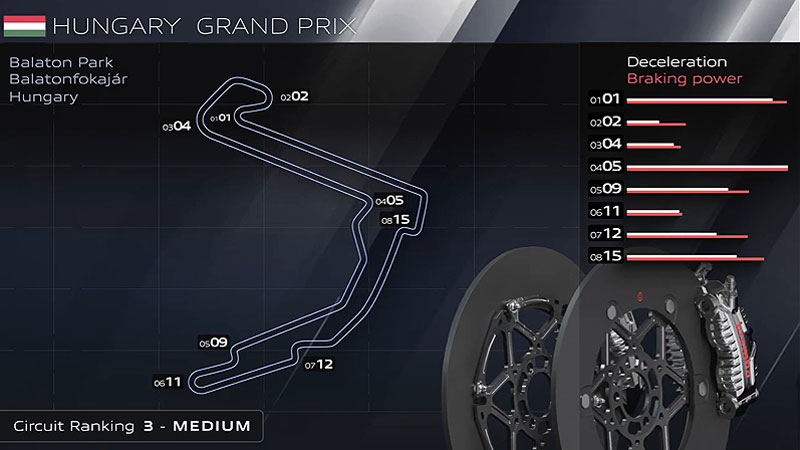
Brembo, in close collaboration with all MotoGP riders, the 4,115 km long Balaton Park circuit is classified as a medium-demanding circuit for braking systems.
On a scale of 1 to 6, it displays a difficulty index of 3, with 8 braking zones per lap totaling 31 seconds of intervention: 3 braking zones are of the High category, 2 of Medium and 3 of Low.
Only two sections of the circuit have a braking distance greater than 185 meters.
The most difficult turn
The most demanding braking zone at the Balaton Park circuit is Turn 5: MotoGP riders decelerate from 282 km/h to 72 km/h in 5,2 seconds, over 226 meters, while riders apply a load of 6 kg to the brake lever.
Deceleration reaches 1,5 g, Brembo brake fluid pressure peaks at 12,8 bar and the temperature of the carbon discs reaches 590°C.
Cagiva's Fairy Tale
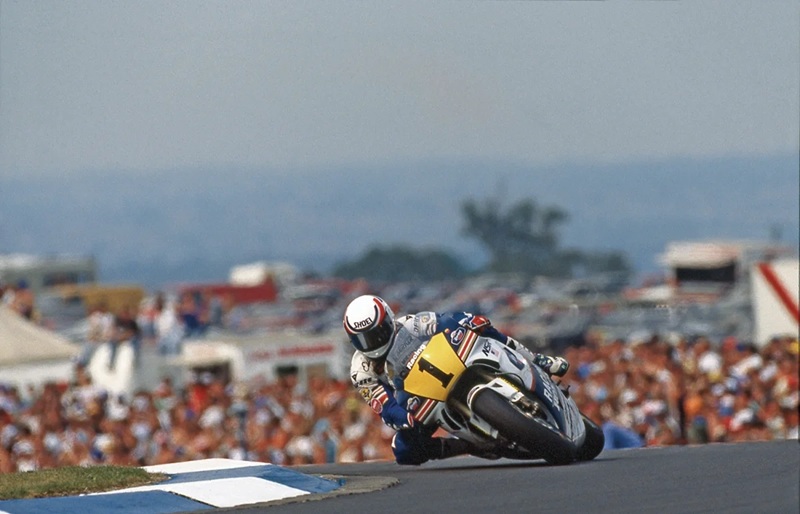
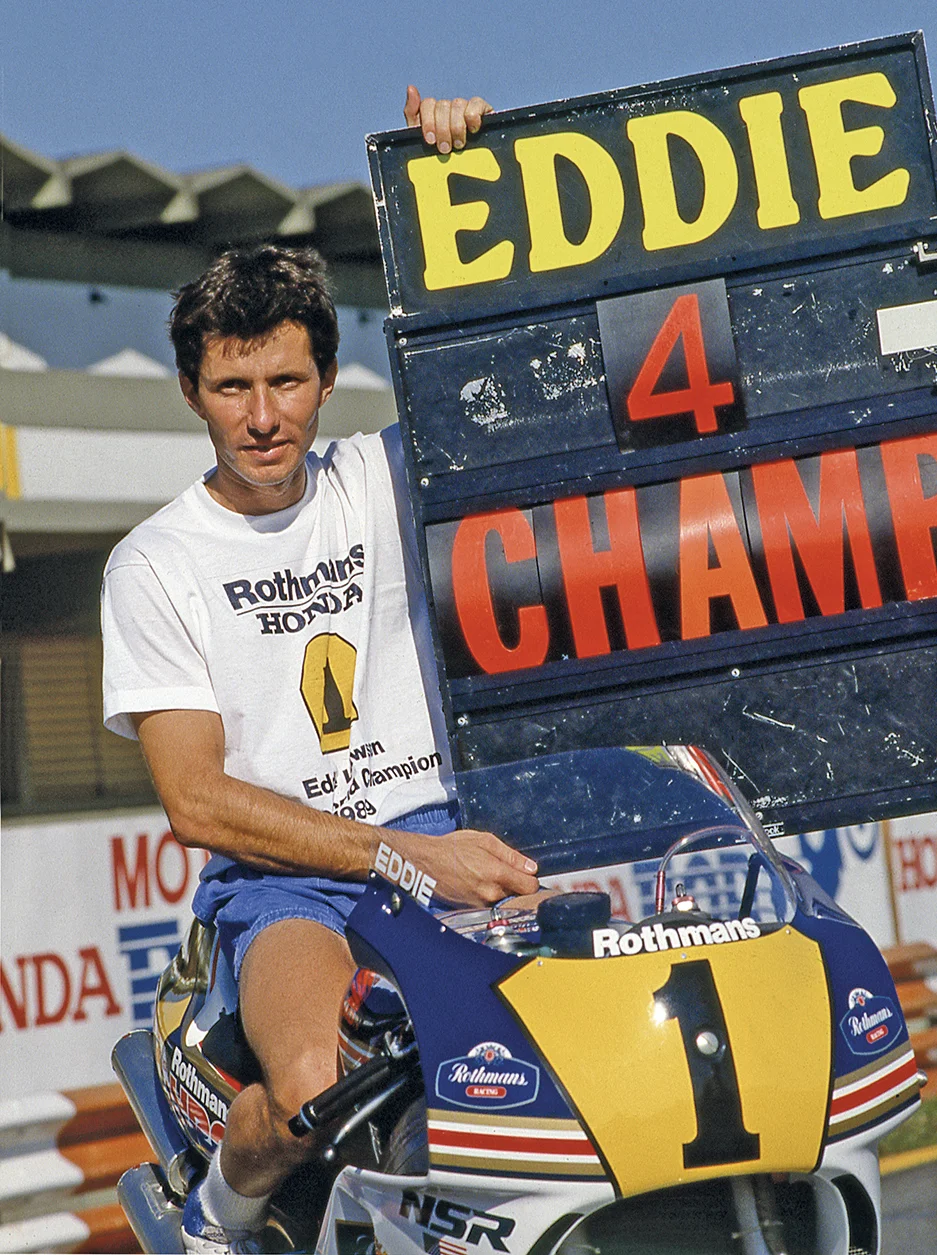
The last edition of the Hungarian GP, in 1992, went down in history thanks to Cagiva's victory, the Italian manufacturer's first in the 500cc World Championship.
The victory goes to Eddie Lawson, who qualified 7th. Giacomo Agostini, the team manager, convinced him to use slick tires on the rear and intermediates on the front, despite the wet asphalt.
In the opening laps, Lawson was in the middle of the pack, but as the line began to dry out, the American launched a fierce attack and won by 14 seconds.
The obstacles to the feat
The Cagiva C592 driven by Lawson at the 1992 Hungarian GP was equipped with a Brembo braking system, as were all Cagivas in the World Championship.
The bike was equipped with two 320 mm carbon discs at the front (sometimes 290 mm), operated by 4-piston calipers, and a single 210 mm disc at the rear, coupled with a 2-piston caliper.
Lawson was cautious in the opening laps, as the carbon brakes of the time reached operating temperature more slowly than today's systems.
The omnipresence of carbon
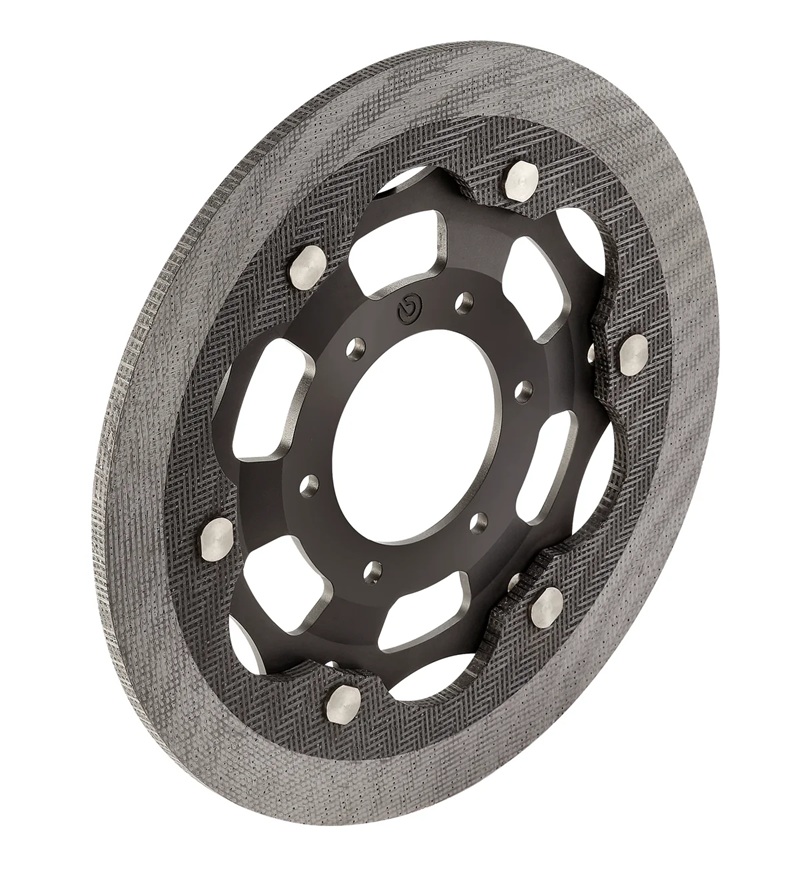
Just ten years ago, MotoGP riders opted for steel discs in wet weather, as carbon only offered a good coefficient of friction from 250°C.
This temperature was unattainable in the rain, but recent advances in carbon brake coatings and materials technology have prompted most riders to use carbon discs, even in wet conditions.
Steel, on the other hand, suffers from high temperatures, faces residual torque problems and its greater weight negatively affects the dynamic behavior of the motorcycle, compromising the suspension response and reducing the efficient transmission of power to the ground.
MotoGP Hungary Brembo MotoGP Hungary Brembo