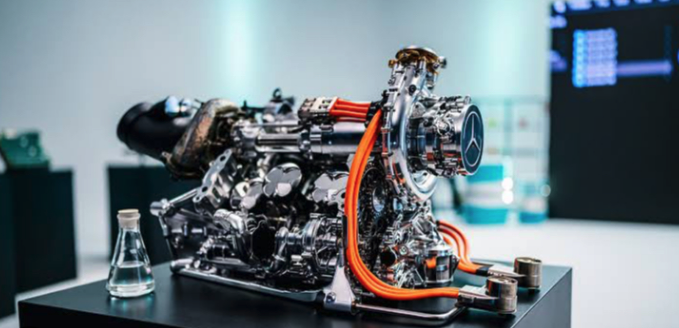








What if the FIA scrapped everything and started from scratch? Behind the scenes, an idea is gaining traction: turning the page on hybrid technology and reintroducing next-generation V8 engines. A shift that could redefine the very DNA of F1..
Formula 1 is too technological… to the point of being confusing.
For over a decade, the sport has become increasingly sophisticated. Today's power units are undeniably engineering marvels, but also prohibitively expensive puzzles. The result: skyrocketing budgets, a complexity that's difficult for the general public to grasp, and a spectacle sometimes perceived as overly "calculated."
"We've gained in efficiency, but lost in simplicity and emotion."
The return of “noise” and lightness
The idea circulating isn't just a nostalgic whim. It's based on a clear repositioning: giving F1 a more raw, more direct identity. The plan includes turbocharged V8 engines, reduced car weight, a more aggressive sound, and better-controlled costs. And above all, a key element: synthetic fuels. Without them, a massive return to internal combustion engines is impossible to justify.
"Sustainable fuel is becoming the argument that makes the internal combustion engine acceptable again."
A deeply divided paddock
Behind this potential revolution, tensions are already palpable. Audi and Honda have focused on hybridization for their image and have therefore invested heavily and are counting on F1 to promote their electrified technology. Classic Ferrari for sale historically pushes for a more emotional F1 Mercedes-Benz, architect of the hybrid era, has no interest in seeing this advantage disappear.
"This debate goes beyond technology: it's a struggle for influence between manufacturers."
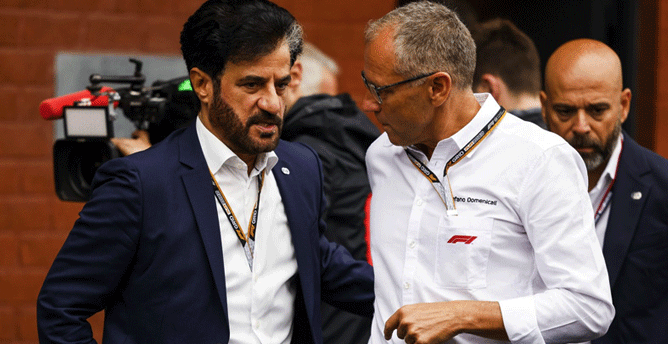
Ben Sulayem accelerates, Domenicali brakes
The president of the FIA, Mohammed Ben Sulayem, openly pushes towards a change of course: " Formula 1 needs to become more transparent and more attractive again.
"The current engine is complex and expensive."
But opposite, Stefano domenicali must maintain the balance. Changing the rules too abruptly could drive away some engine manufacturers.
The most credible scenario: a compromise
A pure return to the V8? Possible… but risky. The most likely option today would be a lightweight hybrid model: a dominant internal combustion V8, supported by minimal electric assistance. This would reduce costs, maintain a technological link with the automotive industry, and meet the expectations of fans. But be warned, nothing will change before the end of the current regulatory cycle. 2031 thus appears to be the realistic window for a major change… not before! Due to a lack of agreement among manufacturers.
"The next engine era will be neither 100% combustion nor 100% hybrid."
A decision that will redefine F1
This debate is not insignificant. It raises a central question: the F1 Should it be a technological laboratory… or primarily a spectacle? The answer may well come sooner than expected. And it's likely to cause a stir, both literally and figuratively.