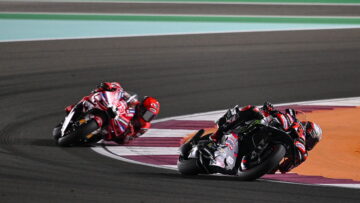





The technical regulations for the premier class are taking a major environmental step that will have a significant impact on the budgets of the teams involved. From the 2027 season onwards , the entire MotoGP grid will have to abandon traditional fossil fuels and use fuel composed of 100% non-fossil or synthetic elements. This environmental transition, intended to make the top-tier championship a green research laboratory for the motorcycle industry, comes with an unprecedented financial shock for both private and factory teams.
A technological revolution at a high price
Replacing conventional petroleum components with advanced e-fuels and biofuels requires a complex and particularly expensive manufacturing process . The refining and chemical synthesis of these cutting-edge fuels dramatically increase costs for partner oil companies. According to GPOne , filling the tank of a prototype will now cost over €1,720 per vehicle for each fill-up at the garage . This translates to a fuel price of € 86 per liter, compared to € 10 to € 15 currently.
The price of MotoGP fuel in 2027 is causing budgets to skyrocket.
For the paddock teams, this environmental measure represents a colossal investment across the entire calendar . The 2027 fuel price is forcing financial directors to completely rethink their logistical spending to absorb the soaring price of a liter of green gasoline, particularly for the smaller teams. Beyond the raw purchase price, the dyno development required to adapt engine maps to these new combustion properties has generated enormous research costs for every factory involved in the championship.
Performance requirements maintained
Despite this prohibitive cost, the participating oil companies have managed to maintain engine performance levels comparable to current standards. Engineers had to adapt the injection system to preserve maximum power at the handlebars without compromising mechanical reliability. This transition to 100% renewable fuels marks the beginning of a new industrial era for motorcycle racing , proving that ultra-high performance can be combined with progressive carbon neutrality. A costly technical challenge, but one that has become unavoidable for the future of the sport (given what is happening in Formula 1 and the FIA WEC).
Do you think this transition to 100% sustainable fuel is worth such an additional financial cost for the racing teams? Let us know in the comments!
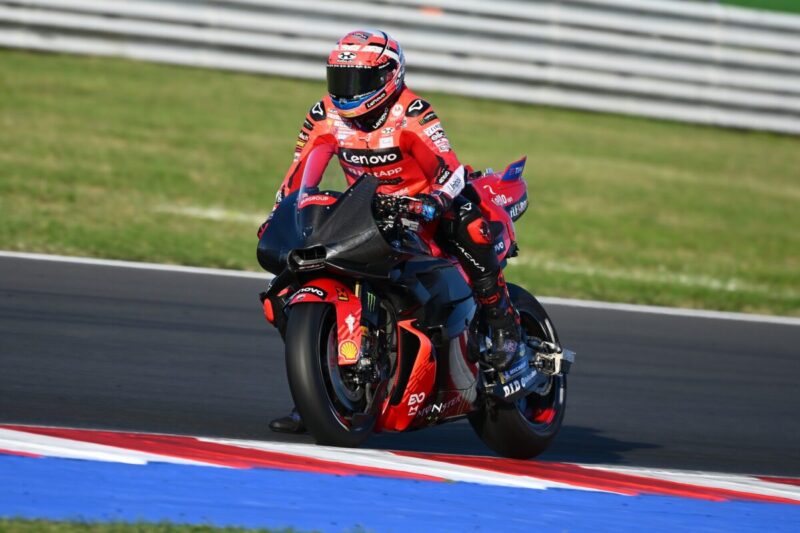
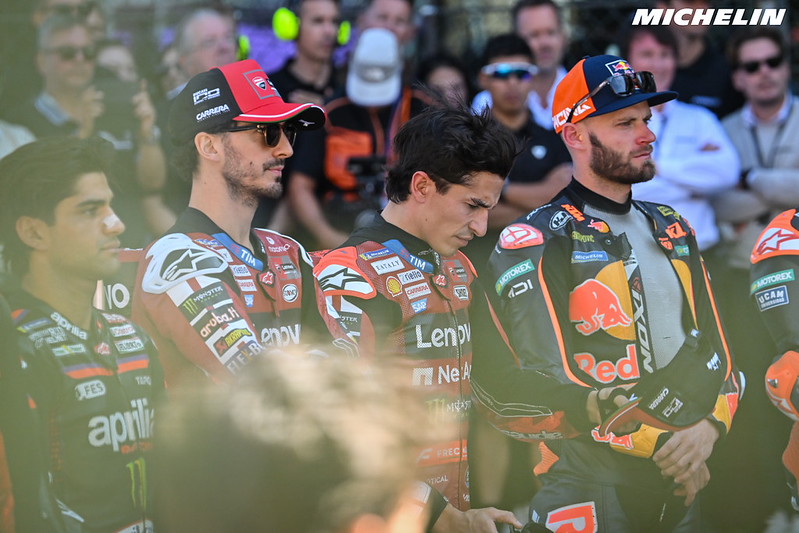
Cover photo: Michelin Motorsport