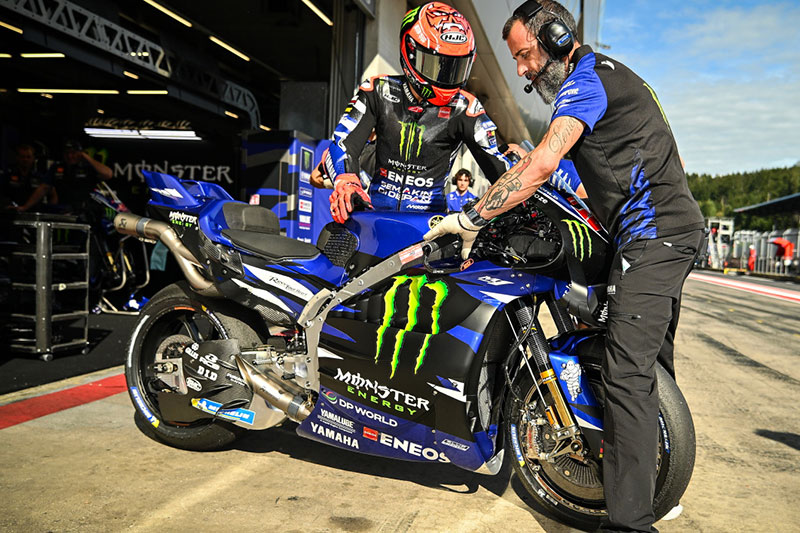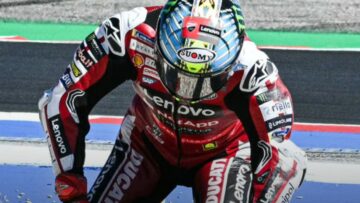





Honda had the means to say no. It chose to say yes. While Yamaha stands by its withdrawal from the Qatar Grand Prix for safety reasons, its main Japanese rival is expected to start at Losail. A decision fraught with political consequences: by leaving Yamaha to face the organizers alone, Honda helps maintain a balance of power favorable to the MotoGP Group. And it raises a troubling question: how far are manufacturers willing to go to defend their principles when their commercial obligations come into play?
Yamaha alone against all: Ezpeleta holds his lineup
The MotoGP Group has announced that it has received confirmation of the participation of the rest of the grid in the Qatar Grand Prix . Barring any unforeseen circumstances, Yamaha will therefore be the only manufacturer absent.
For Ducati and Aprilia , locked in the battle for the championship, the decision to race seems almost inevitable. A unilateral withdrawal could offer a decisive advantage to their rivals.
KTM finds itself in a different, but equally delicate, situation. After its financial difficulties in 2025, the Austrian manufacturer can hardly foresee the potential consequences of a contractual conflict with the organizers.
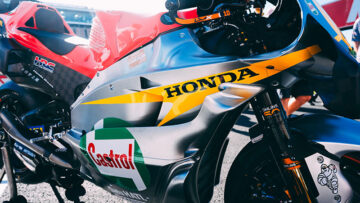
Honda , on the other hand, had a much greater margin for maneuver.
Honda: 80 million euros budget, but what freedom of decision-making?
According to estimates reported this year, Honda would spend around 80 million euros per season on MotoGP, compared to 60 million for Yamaha and 20 million for Aprilia.
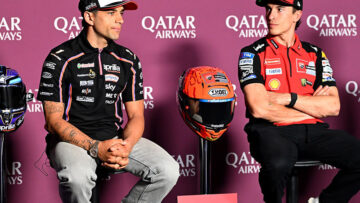
These figures are unofficial, but revealing of the Japanese manufacturer's financial power. Above all, Honda no longer has much to defend in sporting terms. Qatar. Luca marini occupies thirteenth place in the championship, ahead Diogo Moreirafifteenth, Johann Zarco, seventeenth, and Joan mir, eighteenth. The latter is also announced as absent due to health problems.
Unlike Ducati or Aprilia , Honda isn't competing for a world title or facing a decisive battle for its season. Any sporting penalties related to its absence would therefore have a relatively limited impact on its immediate ambitions. It should also be noted that no specific sanctions have been officially announced against Yamaha.
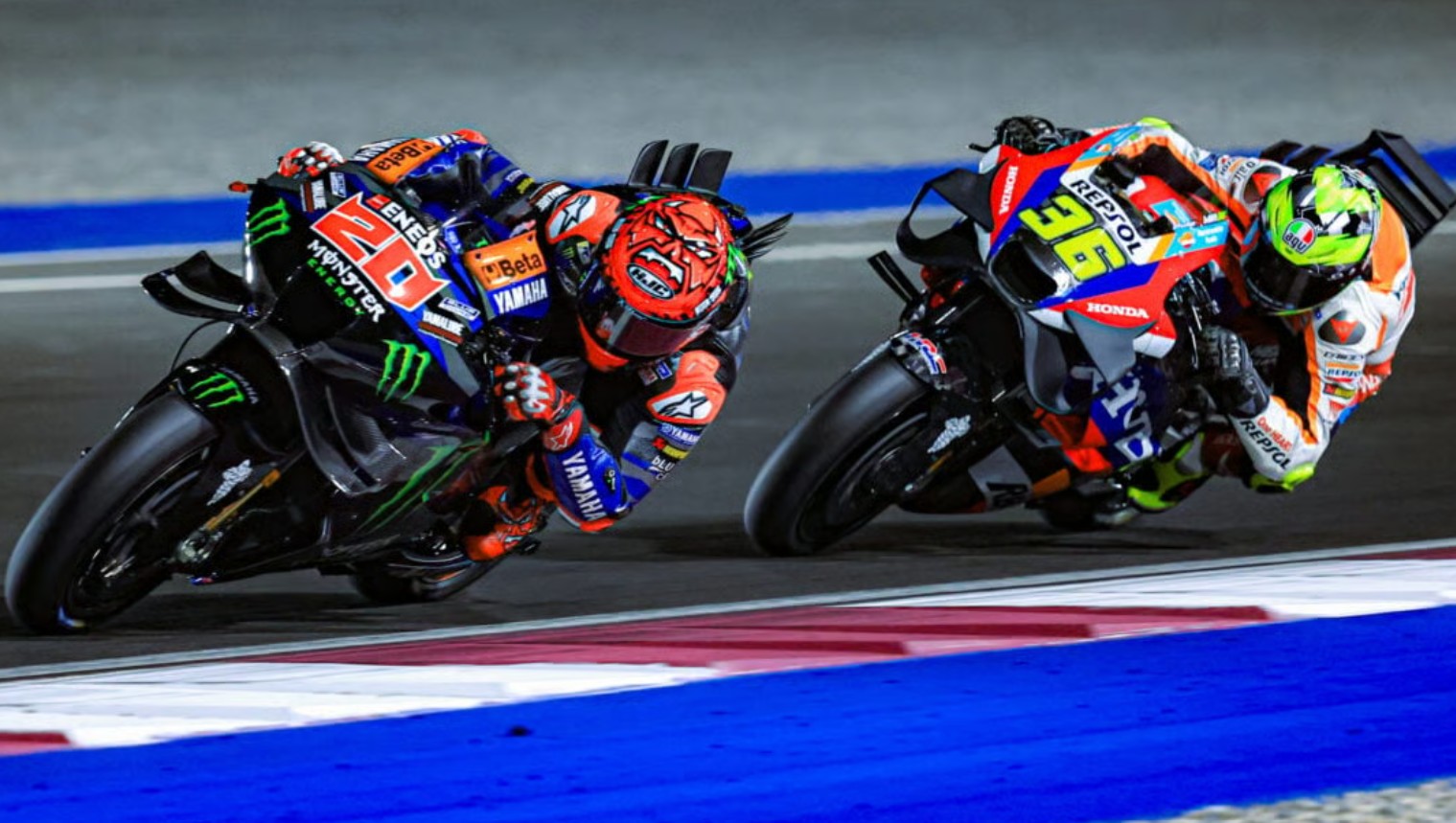
Honda, the manufacturer that could tip the balance of power
Honda's decision has a political dimension. Yamaha chose not to send its teams to Qatar despite assurances from the organizers. This stance exposes them to potential contractual and sporting consequences, but it clearly affirms a priority: the safety of their personnel.
If Honda had adopted the same attitude, the situation would have been very different. The absence of two Japanese manufacturers, including the most powerful and most successful in MotoGP history, would have considerably weakened Carlos Ezpeleta 's position.
The organization would then have had to manage an industry challenge that was far more difficult to present as an isolated decision. By choosing to participate, Honda is leaving Yamaha to bear the potential cost of its refusal alone.
Can pilot safety become a commercial obligation?
However, it would be an exaggeration to claim that Honda necessarily prioritizes money over safety. The manufacturer may genuinely consider the guarantees presented by the Qatari authorities to be sufficient.
But another question remains: should commercial commitments take precedence when participants express safety concerns? The decision to hold the Grand Prix, despite reported reservations from some in the paddock, places this issue at the heart of the championship. And Honda 's participation objectively strengthens the MotoGP Group's ability to maintain its calendar.
So, what do we remember?
- Yamaha: the only manufacturer announced to be absent from Qatar, with possible sanctions still undetermined.
- Honda: powerful enough to consider withdrawing, but determined to participate.
- MotoGP Group: its position is strengthened by the absence of a common front between manufacturers.
Honda was under no obligation to follow Yamaha . But it had a rare opportunity to influence the rules of the game. Even if the Grand Prix goes off without a hitch, the debate won't disappear.
Because the real issue goes beyond Losail: when a manufacturer invokes safety to refuse to race, must it necessarily find itself alone against sporting and commercial power?