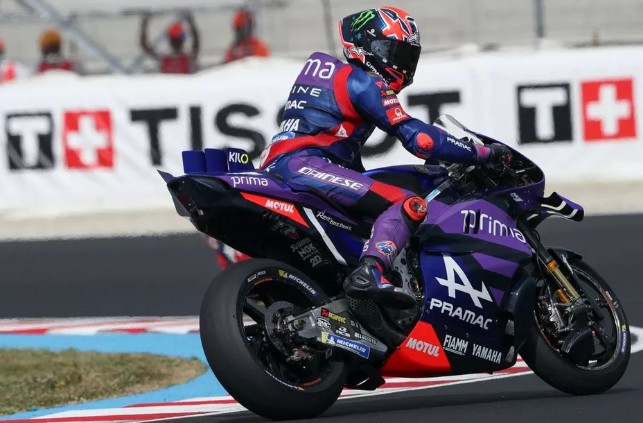








While Yamaha is promising a technical revolution with its all-new V4 engine for 2026, its rider transfer window is running at a disconcertingly slow pace. The tuning fork brand seems to be playing it safe to the point of risking wasting the potential of its future machine by handing the keys to riders who no longer inspire enthusiasm.
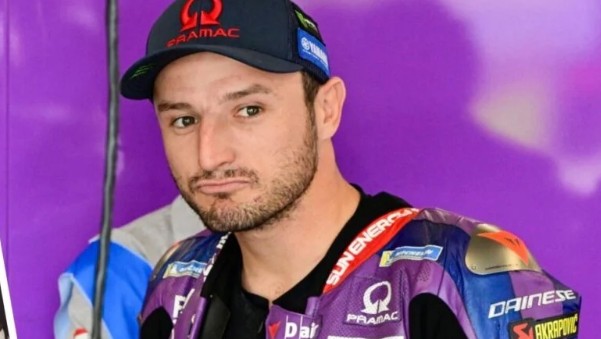
So, after several weeks of suspense, Yamaha finally opted for the most conservative solution: Jack Miller stay at home Pramac and will find himself alongside Toprak RazgatliogluOfficially, his experience is invaluable in developing the new bike. But in the paddocks, people are wondering: is the experience of riders who are regularly left behind really the key to regaining glory?
The statements of Miller himself say a lot about the atmosphere that reigned during the negotiations: " I was quite patient with Yamaha…If you want me, you want me. If not, no. Time passes and I feel that Yamaha doesn't want me.s ». A driver who feels almost tolerated rather than desired, is that really a strong signal of a team that aspires to reconquer the world?
This reassuring, but uninspiring, choice has attracted harsh criticism, Motorsport going so far as to assert that " Yamaha's process for choosing its 2026 rider could have been much better " A mild understatement.
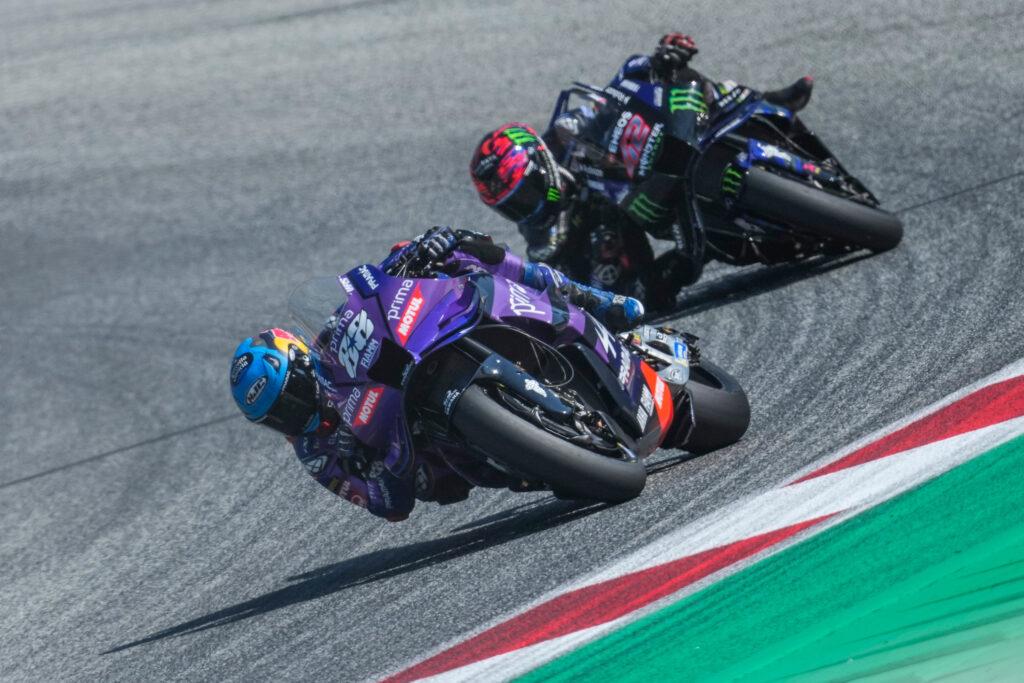
The Yamaha Paradox: An Engine of the Future, a Mentality of the Past
Meanwhile, Yamaha shone through his ability to let talent slip away or to slam the door in their face. Thus, Diogo Moreira, one of the brightest hopes of Moto2, has signed with Honda – a compatriot manufacturer who is nevertheless in the middle of crossing the desert. Manu Gonzalez, another nugget, was left behind. Yamaha , in the midst of reconstruction, watches the future pass by without flinching.
The contrast is striking. On the one hand, Yamaha invests millions and a crazy amount of energy in a bold technical project to catch up on its power deficit. On the other hand, the brand adopts a pilot strategy of outdated timidity, favoring experience (even stagnant) over risk-taking and raw talent.
So, in the paddock, some are wondering: how can we believe in the rebirth of a team when its sporting management seems to have forgotten that it is above all the people who make the machines win? We don't build the future with an accountant's logic.
Yamaha may have found the power for 2026. But by playing it safe, the brand risks running out of inspiration and results. The countdown has begun.