







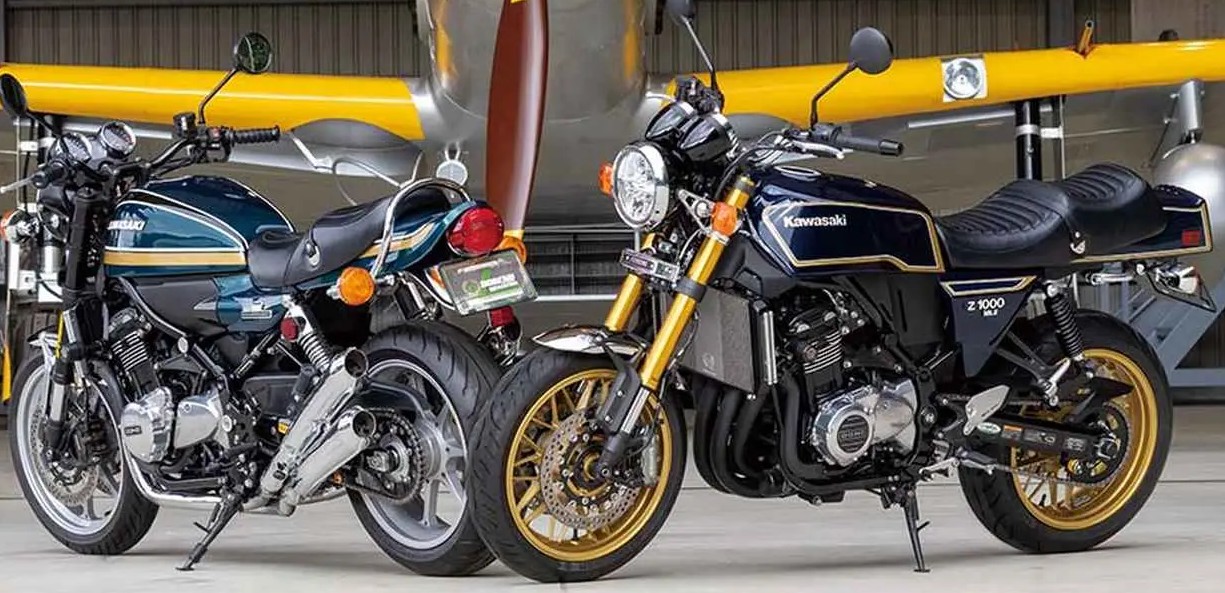
What if you could ride a 1972 Kawasaki Z1… without sacrificing modern reliability? Or rediscover the muscular silhouette of the 1979 Z1000 MkII, without the drawbacks of a temperamental vintage model? In Japan, this idea is far from a fantasy: it's actually a reality…
With its body kits specifically designed for the Kawasaki Z900RS, Doremi Collection It pushes mimicry to a rarely achieved level. The result is unsettling, almost disturbingly faithful. But behind this aesthetic success, a few compromises remind us that we are dealing more with illusion than with pure recreation.
At Doremi CollectionWe're not talking about restoration or classic tuning. The owner, Mr. Take, fully embraces this approach: custom cosplay »
The term is perfectly chosen. It's less about transforming a motorcycle than about making it assume a role, that of an icon of the past, with almost obsessive precision.
The ideal basis for this exercise remains the Z900RSwhose proportions and DNA make this metamorphosis plausible. Two interpretations dominate: the Z1 and the Z1000 MkII, two opposing visions of the same heritage.
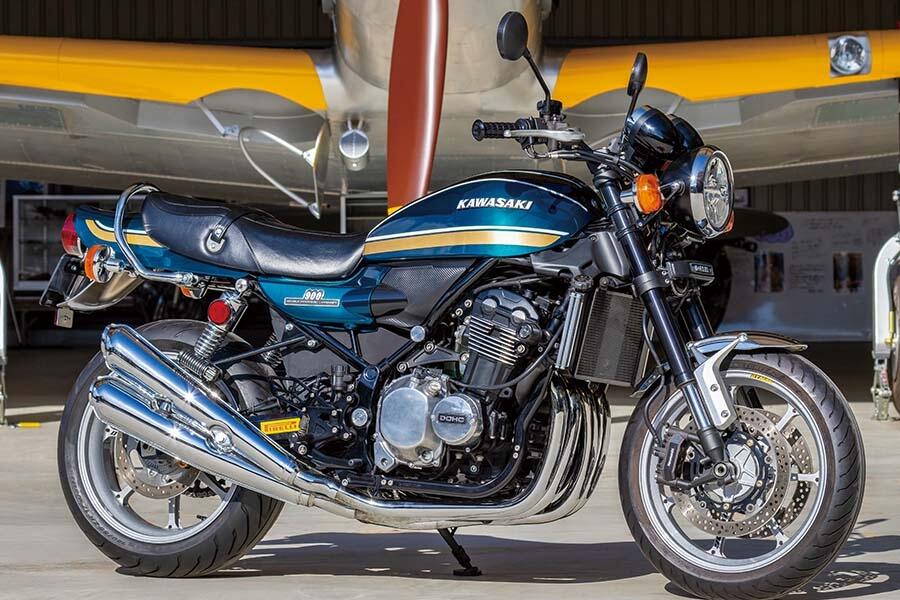
Inspired by the legendary 1 Kawasaki Z1972The Z1 kit focuses on the softness of the lines and the balance of the volumes.
The core of the system consists of a dual element: an internal steel tank, topped with an outer casing made of fiberglass and ABS. This layering allows the exact shape of the Z1 to be recreated without altering the motorcycle's structure.
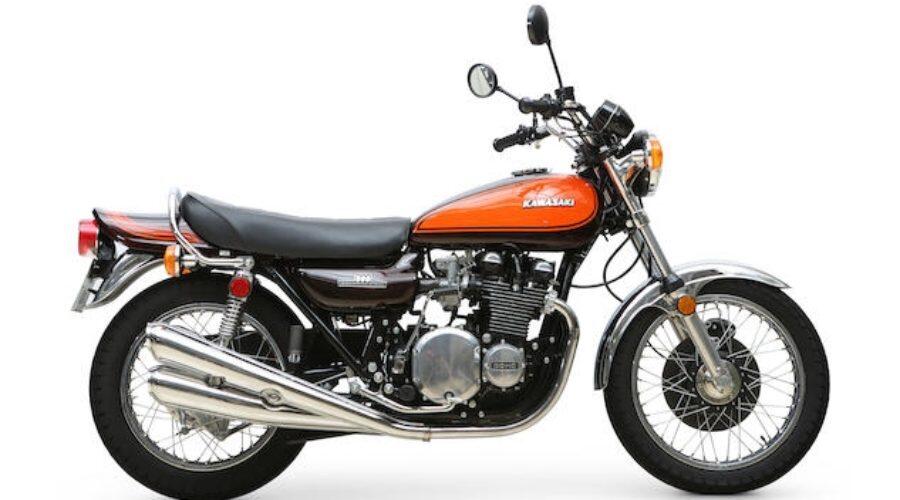
Kawasaki Z1 Style (inspired by the 1972 Z1) or Z1000 MkII Style (inspired by the 1979 MkII)?
Available in several colors — or unpainted for purists — the kit also includes a rear fairing, side panels, and an air intake. The rest, such as the seat and certain finishing touches, are offered as options.
Visually, the illusion is striking. You immediately recognize that 70s charm, that almost timeless simplicity that made the Z1 legendary.
With the kit inspired by the Kawasaki Z1000 MkII 1979The tone changes radically.
Here, everything is more angular, more taut, more aggressive. The square tank, a signature of the MkII, immediately transforms the silhouette of the Z900RSThe kit is more complete, including tank, panels, seat, LED taillight, fender removal and even a chrome front fender.
The result is more radical, more modern in its interpretation of the past. And for those who want to take the experience to the next level, a specific exhaust system completes the package.
Doremi It doesn't do things by halves. The materials, the fit, the perceived quality: everything is up to the expected standard for this type of product.
But this comes at a price. Between the various parts, options, and exhaust systems, the bill quickly adds up. And at this price point, the expectation is simple: no compromises.
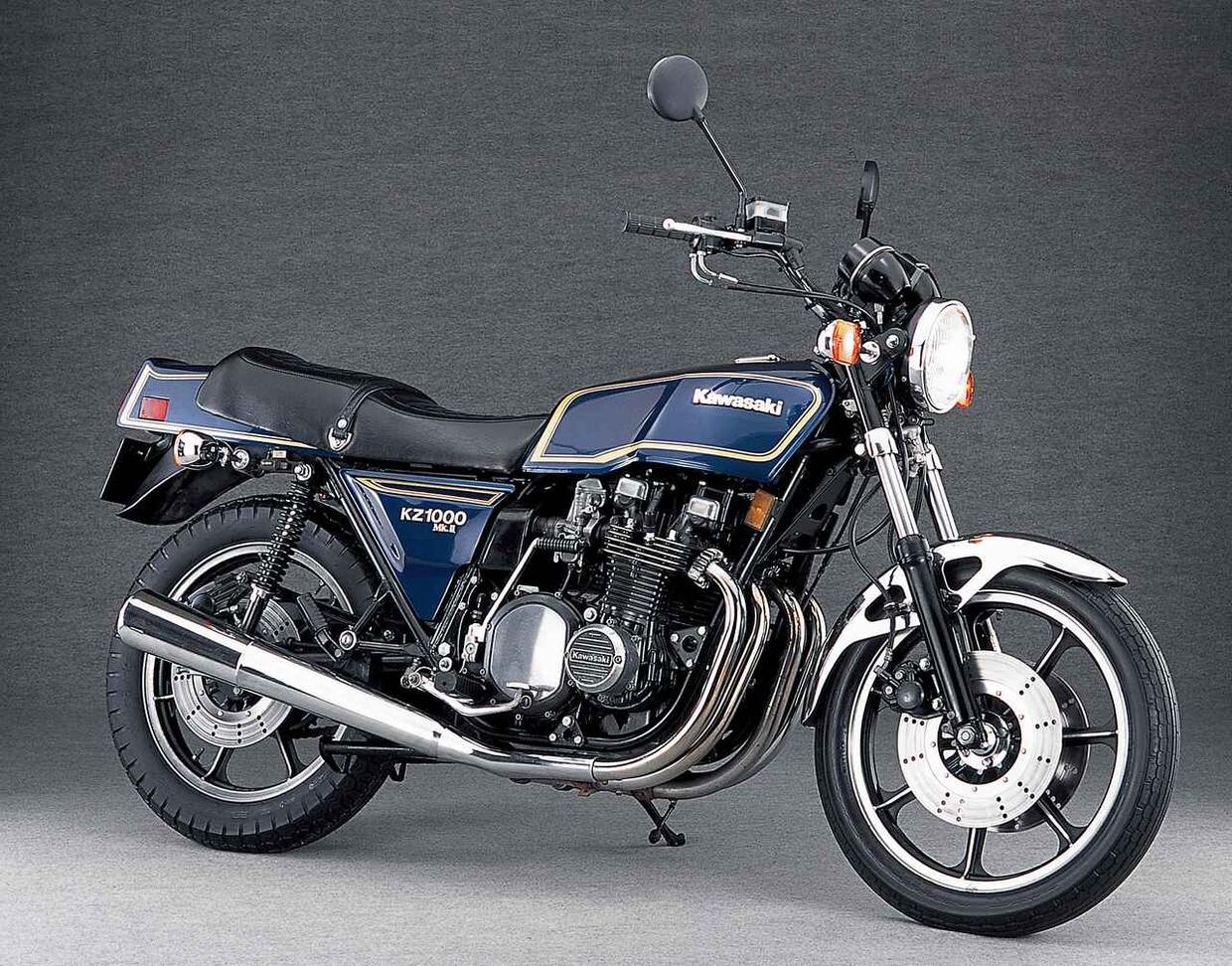
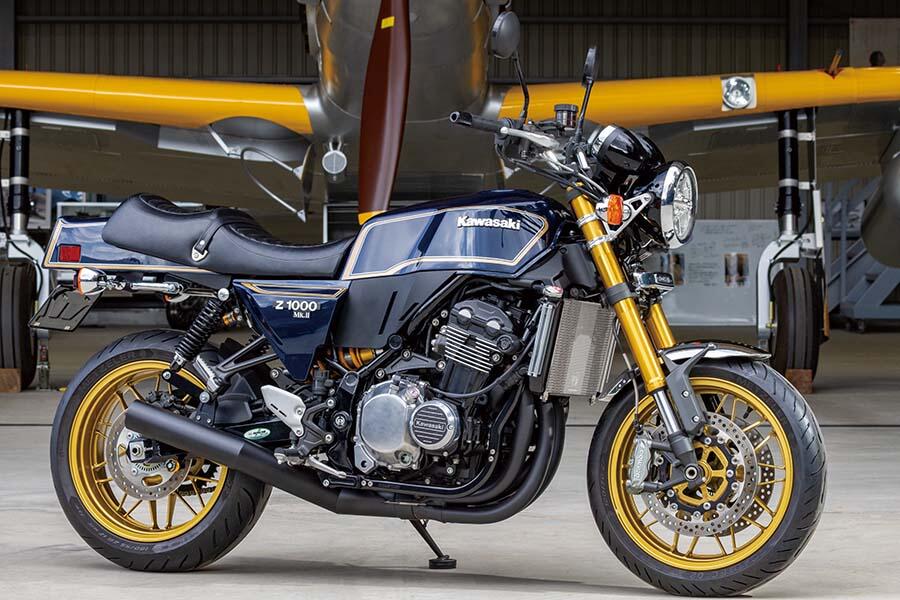
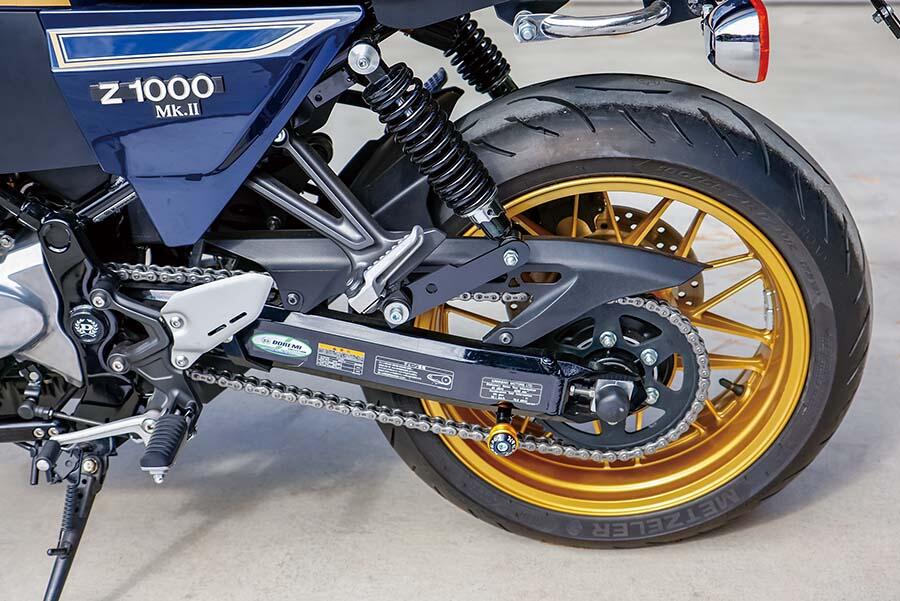
This is precisely where the problem lies. One seemingly insignificant element cracks this perfection: the fake rear shock absorbers. Sold separately, they visually reproduce the twin springs of the period models… but are attached to the passenger footrest support, and not to a structural point.
From a distance, the effect works. Up close, the deception is immediately apparent.
In such a meticulously crafted work, this type of compromise is surprising. It serves as a reminder that we are dealing with an interpretation, however successful, and not a complete recreation.
These kits embody a very Japanese idea: that of capturing the essence of a legendary machine without being subject to its limitations. On this point, the mission is brilliantly accomplished.
But they also raise a more subtle question: how far can one go in imitation before the detail betrays the whole?
Between homage and illusion, the Z900RS version Doremi It fluctuates constantly. And perhaps that's precisely what makes it so fascinating.
If you have a Z900RSThe Mk.II kit is undoubtedly the most coherent. Admittedly, it costs twice as much (€2,500 without the exhaust), but it's a structural package with a proper fuel tank that radically changes the bike's stance. The Z1 kit is magnificent, but it remains a "bodywork" that can seem a little flimsy compared to the 900's engine size.
On the other hand, forget about fake shock absorbers. The Kawasaki Z900RS It embraces its modern architecture with a retro bodywork very well; wanting to hide its single shock absorber is like putting a wig on a marble statue: it ruins the artist's work.