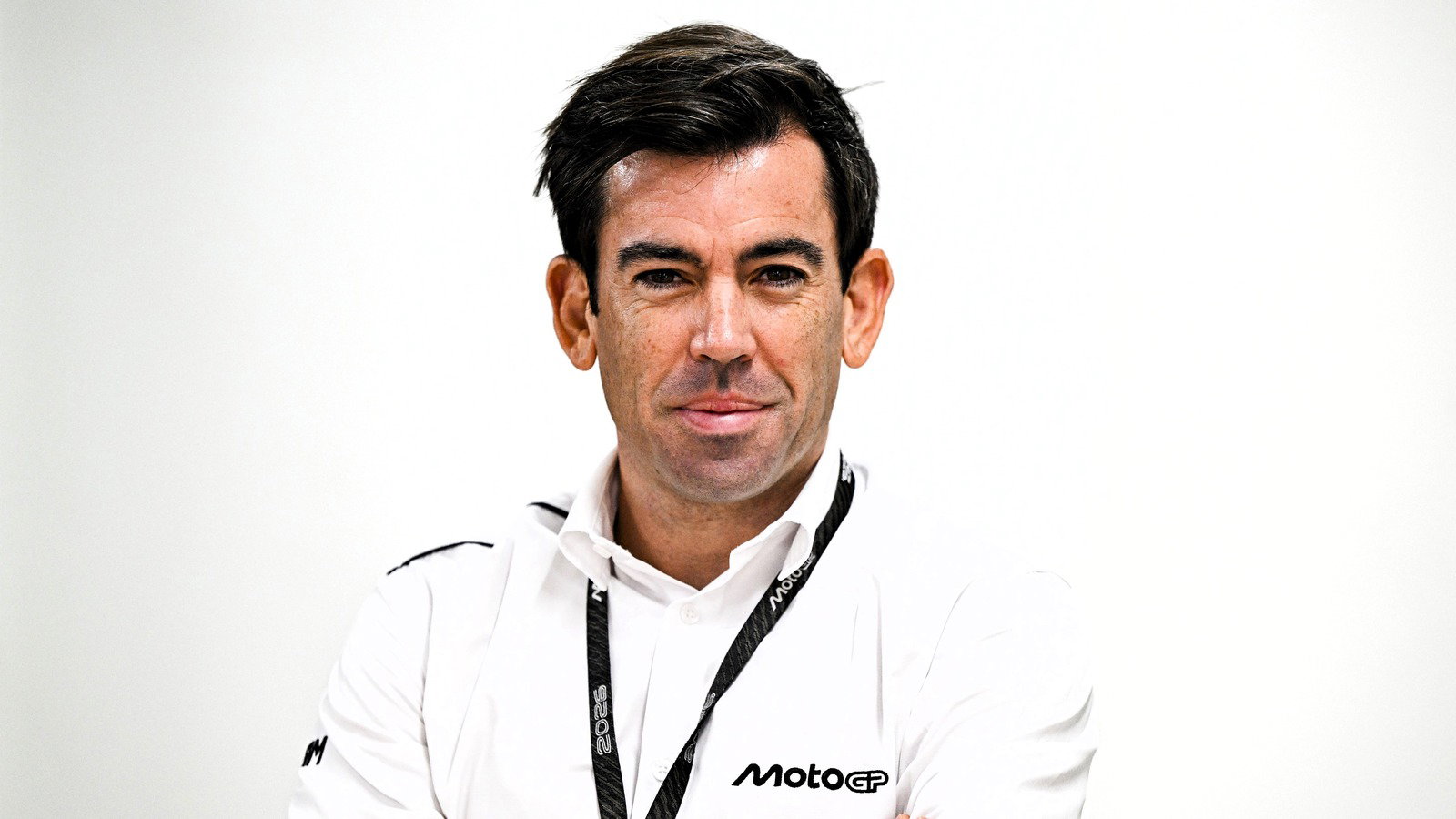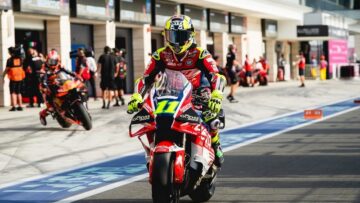






The Qatar Grand Prix is over, but Carlos Ezpeleta clearly doesn't intend to let it go without consequences. After Yamaha's boycott, the protests of 19 riders, and a crisis that exposed the divisions within the paddock, the MotoGP boss acknowledges that the championship has found itself in an embarrassing situation. His conclusion is intriguing: whatever allowed this affair to escalate to such proportions must be addressed. But what exactly needs addressing? Communication, relationships with manufacturers, or the riders' ability to challenge the results?
Ezpeleta: " We exposed ourselves unnecessarily »
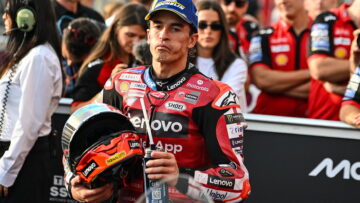
In an interview with Motorsport, relayed by crash.net , Carlos Ezpeleta addressed the turmoil surrounding the Qatar Grand Prix. " The riders have always been the stars of MotoGP, and they will remain so. " This is an important acknowledgment, especially given the unprecedented scale of their collective mobilization.
But what follows deserves more attention. " We conduct self-assessments on everything ; there are things we will need to improve, things the teams will need to improve, and others the drivers will need to improve ."
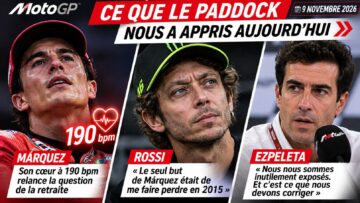
Then came this statement: " It is clear that due to the media attention surrounding the event, we have unnecessarily exposed ourselves . And that is what we must correct ."
Ezpeleta did not specify the measures under consideration. But a question arises: does MotoGP want to better manage its crises or prevent them from being expressed publicly?
Nineteen protesting pilots: an embarrassing precedent for Ezpeleta
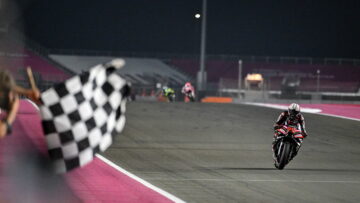
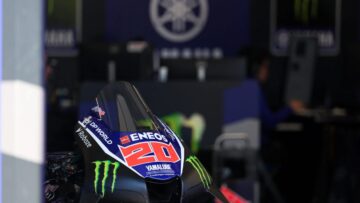
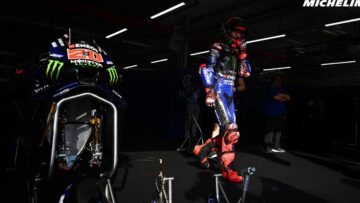
Before the Grand Prix, 19 of the 22 riders had signed a letter protesting the holding of the event given the regional security situation. Yamaha ultimately followed through on its words by cancelling the trip, in accordance with its internal travel policy.
The championship ended up with only 18 motorcycles entered, then 16 at the start on Sunday after two more withdrawals. The race took place, but the disagreement remains. Above all, the riders demonstrated their ability to collectively defend their position against the organizers.
For a championship used to controlling its calendar, this mobilization could constitute an even more delicate precedent than Yamaha 's withdrawal.

Yamaha: MotoGP prepares its response, the FIM retains control
Regarding the consequences of the Japanese boycott, Ezpeleta clarifies the responsibilities. " It's a commercial contract that we cannot comment on publicly ." He confirms, however, that discussions will take place. " We will talk with Yamaha , and if a decision is made, it will be communicated ."
Regarding potential sporting sanctions, the official referred the matter to the International Motorcycling Federation. " That's a question that falls under the FIM's jurisdiction ."
The distinction is fundamental: MotoGP Group can examine the contractual consequences of the withdrawal, while the FIM remains responsible for sporting disciplinary measures. No definitive sanctions are announced in these statements.
Tightening the bolts… at the risk of provoking a new rebellion?
The temptation to take a tougher stance might seem logical. Better-controlled communication, strengthened internal procedures, and reorganized pilot consultations: several avenues could help avoid another public crisis.
But there is no evidence that Ezpeleta is considering disciplinary action against the pilots. And an overly authoritarian response could backfire. This mobilization has also revived the prospect of independent collective representation for the pilots.
If these individuals feel their safety concerns are not being adequately addressed, any attempt to restrict their expression could exacerbate this trend. MotoGP's challenge will therefore be to reassert its authority without undermining its legitimacy in the eyes of those who take the risks.
So, what do we remember?
- Ezpeleta announces corrections after what he considers excessive media exposure, without detailing the measures under consideration.
- Yamaha remains exposed to contractual consequences, with any sporting sanctions falling under the jurisdiction of the FIM.
- The mobilization of pilots constitutes a precedent, likely to permanently alter the balance of power.
MotoGP managed to hold its Grand Prix despite the protests. But it now has to deal with the consequences of this show of authority. Ezpeleta wants to avoid another Qatar . The question remains whether, by tightening the reins, he risks alienating those who still hold the paddock together.