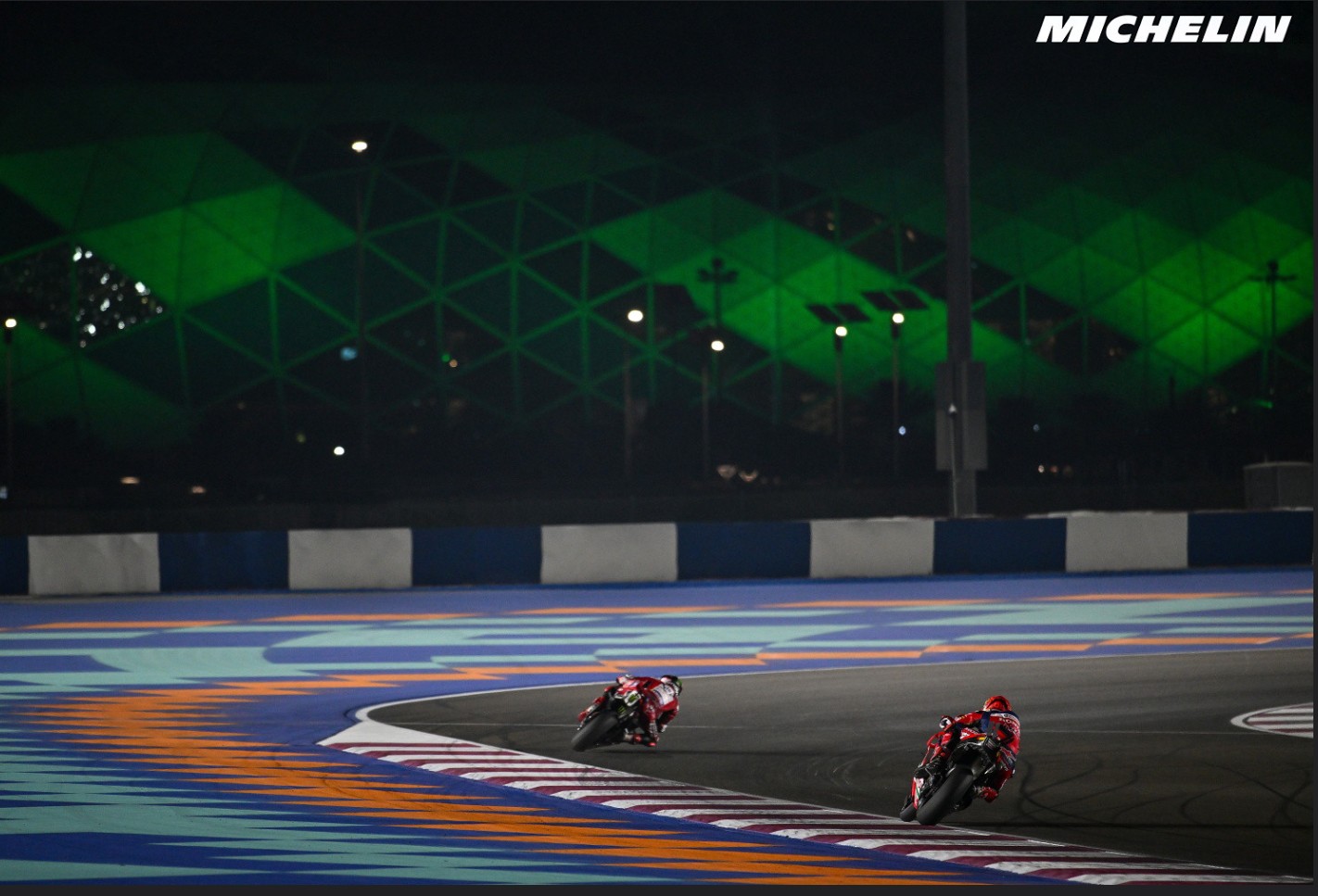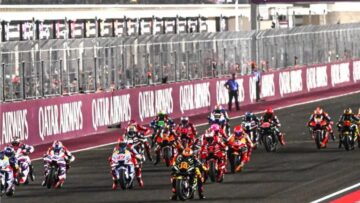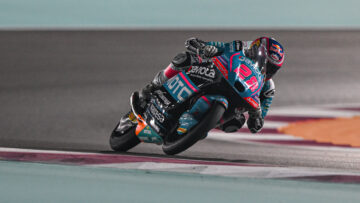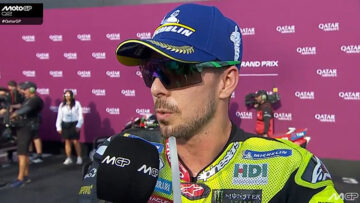





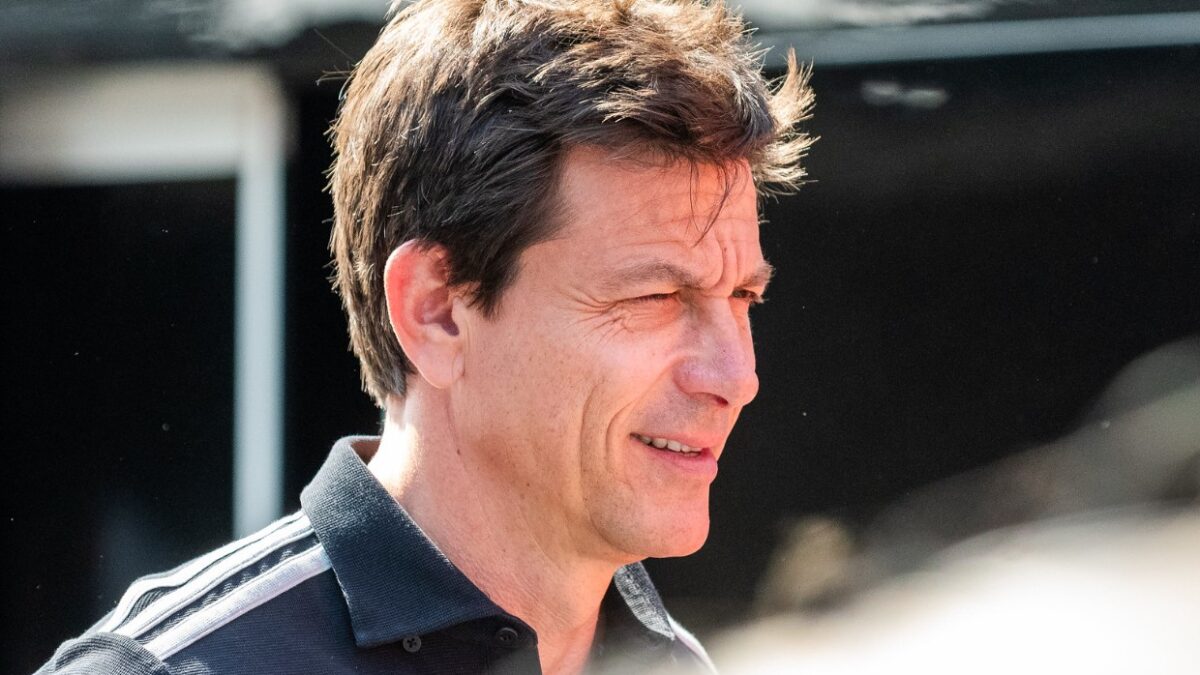
MotoGP riders are supposedly competent enough to reach speeds over 350 km/h, but not qualified to offer their opinions on the risks surrounding a Grand Prix. This, in essence, is the paradox highlighted by Toto Wolff's statements. From Brazil, where the Formula 1 Grand Prix is taking place, the Mercedes boss has inserted himself into the Qatar controversy. And his defense of the MotoGP leadership, including Ezpeleta, is unlikely to ease tensions.
Wolff: " If you don't want to fly, don't go. »
When asked about the MotoGP riders' protests, Wolff gave a particularly sharp response, as reported by Crash.net . " I think that if riders speak out, even if they know nothing about the current geopolitical situation , but they have a listening audience, it creates media value ."
Then came his conclusion: " I would have acted like the MotoGP management. If you want to ride, go for it. If you don't want to, don't go, it's as simple as that ."
So simple, really? The formula has the advantage of clarity. However, it presents a difficulty: a professional driver is not an occasional participant who freely decides, each Sunday morning, whether or not to take part.
He belongs to a team, depends on a manufacturer, and must respect contractual commitments.
Yamaha demonstrates that refusing is not so simple.
The withdrawal of Yamaha and Pramac perfectly illustrates this contradiction. Four motorcycles are absent from Qatar after the Japanese manufacturer decided not to make the trip for security reasons.
Financial and sporting sanctions have been mentioned against him, but their final application has not been determined. While refusing to race could have contractual consequences, the choice presented by Wolff is therefore not as free as he suggests.
This does not mean that organizers must automatically accept all requests from participants. But the issue deserves more than a simple choice between running and staying home.
Especially since pilots don't necessarily claim to be experts in international relations. They also want to be able to express their concerns about their own safety.
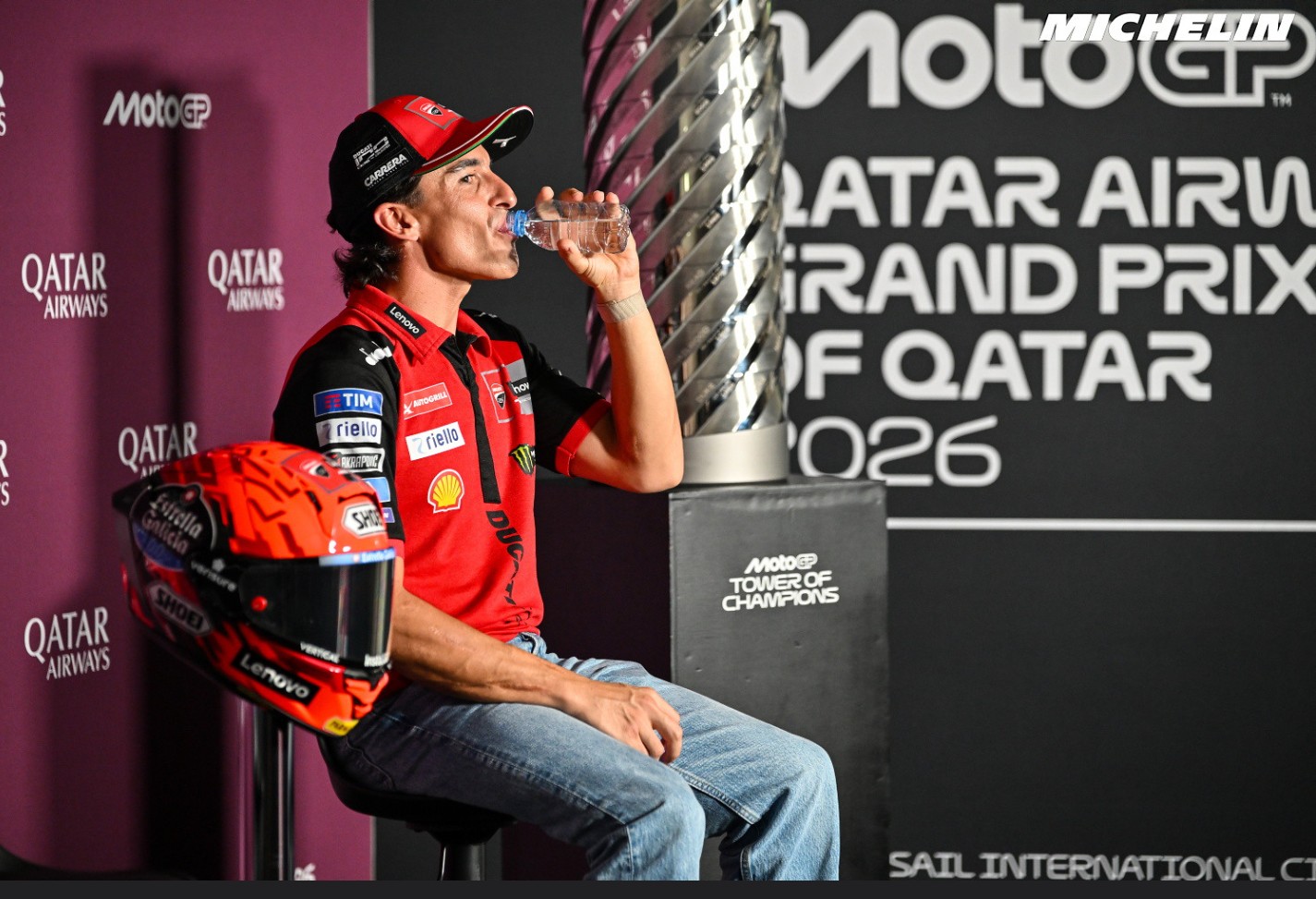
Marquez: Contracts to respect, but a persistent unease with Ezpeleta
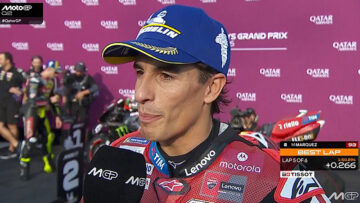
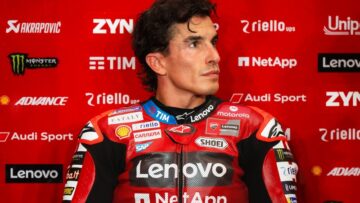
Marc Marquez himself acknowledged the burden of professional commitments. " We understood that we had contracts to honor ," he explained. The Ducati rider also reportedly indicated that he would have preferred to be elsewhere, mentioning his arrival in Doha on the last available flight and his desire to leave quickly.
These remarks, when placed in their context, reflect an unusual situation: a pilot may agree to participate while still having reservations about the circumstances of the trip.
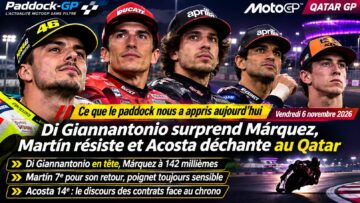
Pedro Acosta had adopted a different approach, stating that contracts had to be respected and that he trusted the managers who had decided to come. Two different perspectives, but one common point: the pilots operate within a framework where they don't control all the decisions.
From Wolff to Ezpeleta: who listens to the drivers?
The controversy now extends beyond the Qatar Grand Prix alone. According to reports, discussions between the drivers and Carlos Ezpeleta at Phillip Island left some members of the paddock dissatisfied.
The idea of collective representation for pilots thus takes on a new dimension. Those concerned are not simply contesting a relocation. They are also questioning their role in decisions regarding the calendar, competition formats, and the conditions under which they practice their profession.
MotoGP can hardly make the riders the faces of its spectacle while considering their words as secondary when they are inconvenient.
So, what do we remember?
- Wolff defends the MotoGP leadership and downplays the geopolitical competence of the riders.
- Yamaha's withdrawal shows that refusing to participate can have consequences.
- The crisis has reignited the debate on the representation and freedom of expression of pilots.
Toto Wolff believes that drivers can choose whether or not to race. But the crucial question is precisely under what conditions this choice can actually be exercised. There is a considerable difference between asking a driver to honor their contract and believing that, for this reason, they should refrain from expressing their concerns.