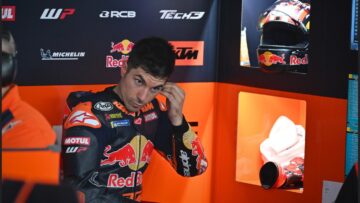






The purge is complete. KTM, a symbol of Austrian mechanical genius, has just undergone a complete transformation – and changed its owner. After flirting with bankruptcy, the orange brand is now 75% controlled by the Indian giant Bajaj, and its CEO, Gottfried Neumeister, has laid his cards on the table: “If I find a part cheaper in China, I’ll buy it there.” That’s it. The tone is set.
A year ago, KTM was on life support. €1,8 billion in debt, monstrous inventories, and a management team too busy collecting logos: MV Agusta , CFMoto, Husqvarna, GasGas, X-Bow … an unmanageable galaxy. The result: no strategy, no cash, no direction.
Bajaj arrived like a surgeon in an emergency room: €800 million injected, €600 million to wipe out debts, €200 million to get the machines running again. In exchange? Total control. Stefan Pierer , the man who had built KTM into an empire, relinquished everything. End of the purely Austrian era. Enter Indian pragmatism.
Gone were the days of luxury toys and marketing extravaganzas. The X-Bow ? Trash. MV Agusta ? Out. CFMoto ? Keep the factory, not the showroom. Neumeister now had only one watchword: focus. “ We had 52 simultaneous projects; it was industrial suicide .”
The result: production in Mattighofen is cut in half. A single assembly team, 110,000 motorcycles in 2026 instead of 220,000 before the crisis. And above all: no profit before 2027. But this time, KTM wants to sell less in order to sell better.
The goal is no longer to fill dealership parking lots, but to rebuild trust.

KTM: made in Austria… but not too much, from Ready to Race to Ready to Survive
The CEO tries to reassure everyone: “ Production will remain in Austria .” But in the next sentence, he blurts out: “ If I find a cheaper part in China, I’ll buy it there .”
And that's the paradox of the new KTM : one foot in Mattighofen, the other in Pune, and its head already in Shenzhen.
The Austrian motorcycle may remain “designed” in Europe, but its DNA is becoming internationalized through quotes and industrial pragmatism.
And when Bajaj says that “European manufacturing is dead” , Neumeister responds with action.
KTM wants to return to what it should never have ceased to be: a raw, radical brand, built for those who still smell of oil and adrenaline. No more gadgets, no more bullshit, just motorcycles that breathe performance and sweat. “ We must remember what made us strong and forget the rest .”
It's a message we haven't heard from the "oranges" (KTM's nickname) in a long time, stifled as they are by balance sheets and overly ambitious goals. But between the debts, the loss of independence, and the reduction in production, one question looms: will KTM survive without selling its soul?
So, KTM is reborn, yes, but with Indian funding. Purist fans will gnash their teeth, financiers will applaud. One thing is certain: the era of romantic “ Ready to Race ” is over. Welcome to the era of “ Ready to Survive .”