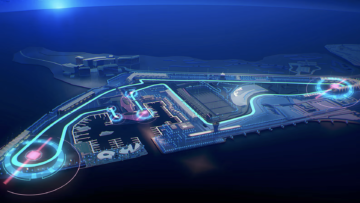





The F1 season is scheduled to conclude in Qatar on November 29th and then in Abu Dhabi on December 6th. On the Formula 1 calendar, everything is therefore in place. However, in the paddock, the official assurances are not enough to quell concerns. A message circulating on social media claims that some members of the paddock and the sports media have already decided not to attend the two races if they go ahead. This is enough to raise tensions—although a collective boycott has not yet been officially confirmed.
The FIA and F1 are staying the course, but reservations are mounting.
The post attributes this information to the Spanish journalist TSlafer , but doesn't name the individuals or media outlets involved. This distinction is crucial: it reports on individual decisions that were allegedly made, not the announcement of an organized movement within the paddock. The word "boycott" carries significant weight. Public evidence, however, remains more discreet.
The FIA says "everything is fine"
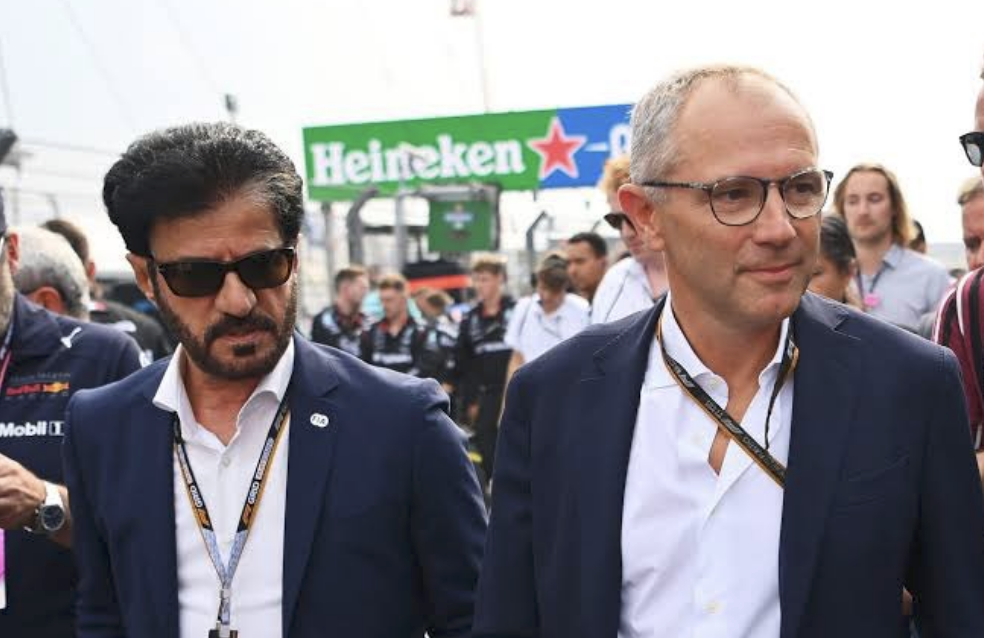
The FIA 's position , however, remains firm. This week, its president, Mohammed Ben Sulayem, asserted that both Grands Prix would take place as scheduled. When questioned about the situation in the host countries, he replied, " Yes, it's fine. " He did, however, acknowledge that he could not predict how events would unfold: " I can only tell you that today, nothing is happening and both races will go ahead. "
The choice of "today" is not insignificant. The final rounds will take place in several weeks, and the regional situation could change between now and then. The FIA maintains that safety remains the priority, and Ben Sulayem says he would not want to send drivers, staff, or officials into an area deemed risky. This expressed confidence is therefore tempered by caution: the decision will also depend on what happens tomorrow.
Caution doesn't come out of nowhere. The 2026 calendar has already been disrupted: the Bahrain and Saudi Arabian Grands Prix, scheduled for April, have been canceled, and the Bahrain race has been moved to Sepang, Malaysia. Imola has been mentioned as a backup plan for the end of the season. But F1 continues to present Qatar and Abu Dhabi as its preferred scenario.
Sainz adds a caveat, then clarifies his thinking.
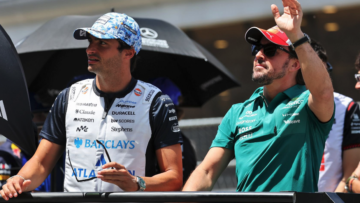
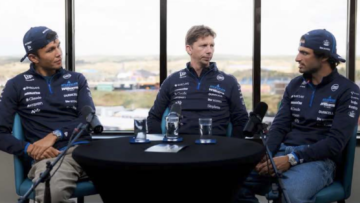
In Austin, Carlos Sainz expressed the strongest doubts. The Williams driver , who is also the director of the Grand Prix Drivers' Association ( GPDA ), was careful to clarify that he was speaking in his personal capacity.
"It is very difficult to be convinced at the moment ," he said, noting that the situation in the Middle East and future political developments could still change the game.
He considered it " relatively premature " to express so much certainty about whether the races would take place.
Sainz did not, however, announce a refusal to go to the races. He added that if the FIA and F1 deemed the conditions safe, the drivers should abide by their decision. A few hours after the press conference, Williams issued a clarification: he trusts the FIA and Formula 1 to make the right decision, prioritizing safety, and is looking forward to racing in Qatar and Abu Dhabi. Hardly a sign of rebellion.
This clarification highlights the delicate balancing act the drivers are undertaking: expressing concern without claiming to possess confidential information from the organizers. Sainz himself acknowledged that the drivers do not have access to the same political intelligence as F1 and the FIA. He asks them to remain vigilant and to trust those making the decisions. This trust, however, does not preclude asking questions.
Max Verstappen , too, refused to turn his reservations into a promise of a boycott. He explained that he enjoyed going to Qatar and Abu Dhabi, " of course, under the right conditions ," and that he trusted F1 and the FIA to make the right decision. Lewis Hamilton , for his part, said he hoped the season could finish as planned in the region, while acknowledging that he didn't know the actual level of risk. The drivers' positions are therefore not uniform, and no public statement suggests a united front.
The message circulating on social media highlights a real problem: a race isn't just about the twenty drivers. It also involves transporting hundreds of team members, officials, technicians, journalists, and service providers. If some choose not to come, even individually, the issue goes beyond contracts and plane tickets: it concerns F1's ability to guarantee that everyone can work in safe conditions.
For now, the calendar remains intact and the announced boycott has not been confirmed as a collective action. But between the FIA 's assurances, Sainz 's expressed reservations , and this information circulating online, the message is clear: the paddock isn't simply waiting for the green light. It wants to know what guarantees it has.
❌ BOICOT IN QATAR Y ABU DHABI IN F1
➡️ Hay integrates the paddock and the sports media that are communicated that we will not attend any of the races if the category decides to be part of its celebration.
➡️ Mohammed Ben Sulayem reiterated hace apenas one day that the… pic.twitter.com/yYfJU71hfh
— Rubén (@RubCanales) October 23, 2026